


Introduction: A New Era of Eating
The way we grow, choose, and consume food is undergoing its most significant transformation in generations. As we navigate through 2026, the convergence of climate urgency, technological innovation, and evolving nutritional science is reshaping every aspect of our food systems. From AI-powered personalised nutrition to regenerative farming practices gaining mainstream adoption, the future of food is no longer a distant concept—it’s happening on our plates right now.
Global food systems account for roughly 34% of greenhouse gas emissions, according to recent data from Nature Food. Meanwhile, the World Health Organisation reports that poor diet remains the leading risk factor for death worldwide. These sobering statistics are driving unprecedented innovation and consumer awareness, creating a perfect storm for transformative change in how humanity feeds itself.
The Rise of Precision and Personalised Nutrition
AI-Driven Dietary Recommendations
Gone are the days of one-size-fits-all dietary guidelines. In 2025, artificial intelligence and machine learning are revolutionising how we understand individual nutritional needs. Companies like ZOE, Nutrigenomix, and emerging startups are using continuous glucose monitors, gut microbiome analysis, and genetic testing to create hyper-personalised eating plans.
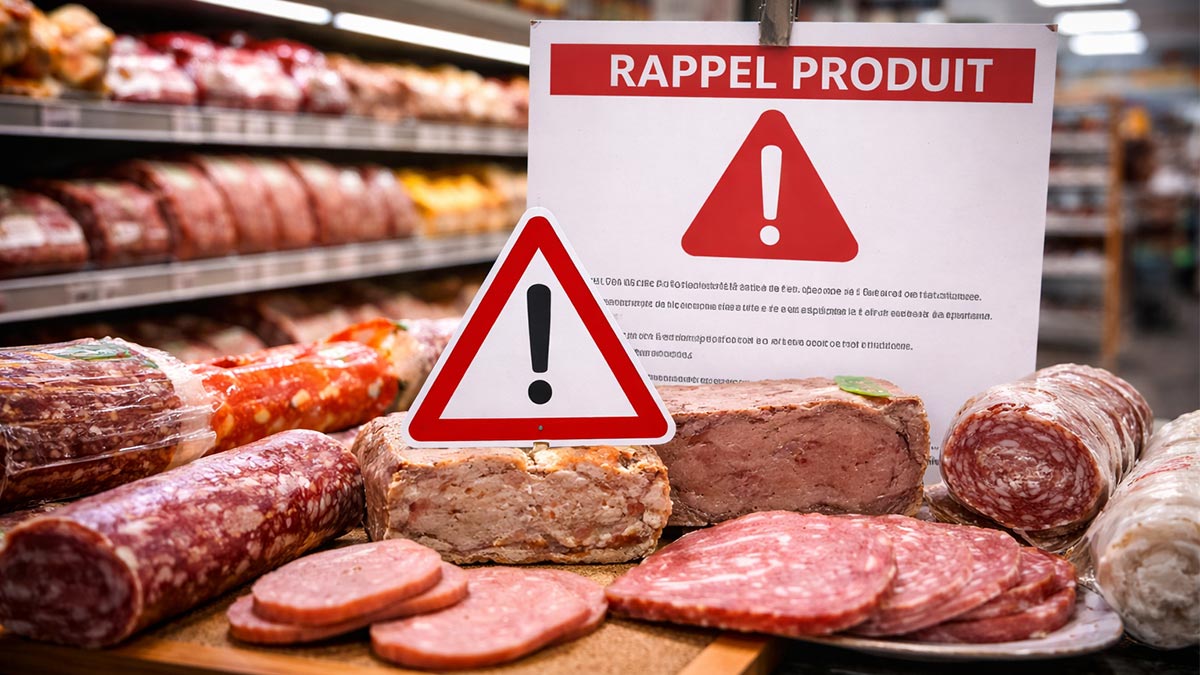
- → Nationwide Listeria Recall in France: What You Need to Know About Contaminated Pâtés and Cold Meats in 2026
- → The Unexpected Household Hack That Keeps Wet Floors and Entryways Clean in 2026
- → The Hair Transformation Women Over 50 Are Talking About in 2026: What Really Works for Thinning Hair
- → Marseille’s Mistral District in Crisis: Arrests, Secrets, and a Growing Mystery in 2026
- → Massive 35-Meter Waves in the Pacific: What Scientists Are Discovering in 2026
- → Why You’re Receiving More Spam Calls in 2026: The Hidden Reasons and How to Stop Them
- → The Express Chignon: A Quick and Elegant Hairstyle for Busy Women in 2026
Dr. Sarah Chen, a nutritional scientist at Stanford University, explains: “We’re finally moving beyond population-based recommendations. Your optimal diet depends on your unique genetic makeup, microbiome composition, lifestyle, and even the time of day you eat. AI can process these variables in ways human practitioners simply cannot.”
The global personalised nutrition market is projected to reach $24.3 billion by 2027, according to Grand View Research, with 2026marking a tipping point in consumer adoption. Wearable devices now track not just steps and heart rate, but metabolic responses to specific foods, enabling real-time dietary adjustments.
Functional Foods and Nutraceuticals
Consumers increasingly seek foods that deliver specific health benefits beyond basic nutrition. Adaptogenic mushrooms, nootropic-enhanced beverages, and gut-health-focused products have moved from niche health stores to mainstream supermarket shelves. Prebiotic and probiotic foods saw a 23% sales increase in 2024, a trend accelerating into 2025.
Particularly notable is the integration of traditional medicinal ingredients—turmeric, ashwagandha, and various fermented foods—into everyday products, backed by growing scientific validation of their benefits.
Sustainable Protein: Beyond the Burger
Plant-Based Innovation Matures
The plant-based protein sector has evolved dramatically since its early hype cycle. While some initial market darlings faced challenges, 2025 sees a more sophisticated industry focused on taste, texture, nutrition, and price parity. Second and third-generation products now closely mimic not just ground meat, but whole cuts, seafood, and dairy with remarkable accuracy.
Importantly, formulations have improved nutritionally. Early plant-based products faced criticism for high sodium and ultra-processed ingredients. Today’s leading brands emphasise whole-food ingredients, complete amino acid profiles, and clean labels. Sales data from SPINS shows plant-based whole cuts growing 31% year-over-year, outpacing traditional plant-based ground products.
Cultivated Meat Reaches Commercial Scale
Perhaps the most revolutionary development is the scaling of cultivated (cell-based) meat production. Following regulatory approvals in Singapore, the United States, and several European nations, cultivated chicken, beef, and seafood are now available in select restaurants and retail locations across multiple continents.
Production costs have plummeted—from roughly $330,000 per kilogram in 2013 to under $10 per kilogram at leading facilities in 2025. While still more expensive than conventional meat, the gap is closing rapidly. Industry analysts predict price parity for certain products by 2027-2028.
“Cultivated meat isn’t about replacing traditional agriculture overnight,” notes Good Food Institute’s senior scientist Dr. Marcus Webb. “It’s about providing options that satisfy meat cravings while dramatically reducing environmental impact and eliminating animal slaughter.”
Fermentation and Precision Biology
Precision fermentation—using microorganisms to produce specific proteins—is emerging as perhaps the most scalable alternative protein technology. Companies are now producing animal-identical whey, casein, collagen, and egg proteins without any animal involvement.
This technology enables genuinely indistinguishable dairy products, baked goods, and confectionery while using up to 99% less land and 96% less water than conventional animal agriculture. Major food conglomerates including Nestlé, Unilever, and Danone have invested billions in this space, signalling mainstream confidence in fermentation’s future.
Regenerative Agriculture Goes Mainstream
From Sustainability to Restoration
While “sustainable” agriculture aims to minimise harm, regenerative practices actively restore ecosystem health. This approach—emphasising soil health, biodiversity, water cycle restoration, and carbon sequestration—gained significant momentum throughout 2024 and is now influencing major supply chains.
Regenerative agriculture can sequester between 3-8 tonnes of carbon dioxide per hectare annually, according to the Rodale Institute, making farmland a potential climate solution rather than problem. Major retailers including Walmart, Whole Foods, and Carrefour have committed to sourcing significant portions of their produce from regenerative farms by 2030.
Consumer Demand Drives Change
Crucially, consumers are demonstrating willingness to support regenerative practices. A 2024 survey by the Food Marketing Institute found that 67% of shoppers would pay a premium for products verified as regeneratively grown. This consumer pull is accelerating farmer transitions and driving certification standard development.
Brands like Patagonia Provisions, White Oak Pastures, and newcomers explicitly marketing regenerative credentials are experiencing double-digit growth, proving that ecological responsibility and commercial success can align.
Technology Transforming Food Production
Vertical Farming Reaches Inflection Point
Indoor vertical farming addresses multiple challenges simultaneously: reducing water usage by up to 95%, eliminating pesticide needs, enabling year-round local production, and minimising transportation emissions. After years of financial struggles, the sector is reaching operational maturity.
Energy efficiency improvements—particularly LED lighting advances and renewable energy integration—have addressed the industry’s primary economic challenge. Companies like Plenty, AeroFarms, and Infarm are now achieving profitability on leafy greens and herbs, with expansion into strawberries, tomatoes, and other high-value crops underway.
Blockchain and Food Transparency
Consumers in 2025 expect unprecedented transparency about their food’s journey. Blockchain technology enables immutable tracking from seed to shelf, verifying claims about origin, farming practices, and handling. Major retailers have implemented QR code systems allowing customers to trace individual products to specific farms and harvest dates.
This transparency extends to environmental impact data. Carbon labelling—showing the greenhouse gas emissions associated with products—is becoming standard in the European Union and gaining traction globally. Studies suggest such labels can shift purchasing decisions by 10-15% toward lower-impact options.
The Evolution of Food Culture
Hybrid Eating Patterns
Strict dietary labels are giving way to flexible approaches. The “flexitarian” movement has matured into more nuanced patterns: perhaps plant-forward weekdays with weekend omnivory, or animal products reserved for special occasions and high-welfare sources. This pragmatic approach acknowledges both nutritional preferences and environmental realities.
Global Flavours, Local Sourcing
Paradoxically, as palates become more globally adventurous—with cuisines from West Africa, the Philippines, and Peru gaining particular traction in 2025—there’s simultaneous emphasis on local sourcing. Technology enables this marriage: local vertical farms growing Asian greens, domestic fermentation of Korean condiments, and regional spice production expanding.
Conclusion: Nourishing People and Planet
The food system emerging in 2025 represents a fundamental reimagining of how humanity nourishes itself. Personalised nutrition empowers individual health optimisation. Alternative proteins provide ethical, environmental, and eventually economic advantages. Regenerative agriculture transforms farms from pollution sources to carbon sinks. And technology enables transparency, efficiency, and previously impossible production methods.
These shifts aren’t merely trends—they’re responses to existential challenges. With global population projected to reach 10 billion by 2050 and climate impacts intensifying, transforming food systems isn’t optional; it’s imperative. The encouraging news is that solutions are rapidly scaling, consumer awareness is high, and the business case increasingly aligns with planetary needs.
The future of food is being written now, one meal, one farming practice, one innovation at a time. And for the first time in decades, that future looks genuinely hopeful.



Leave a comment