

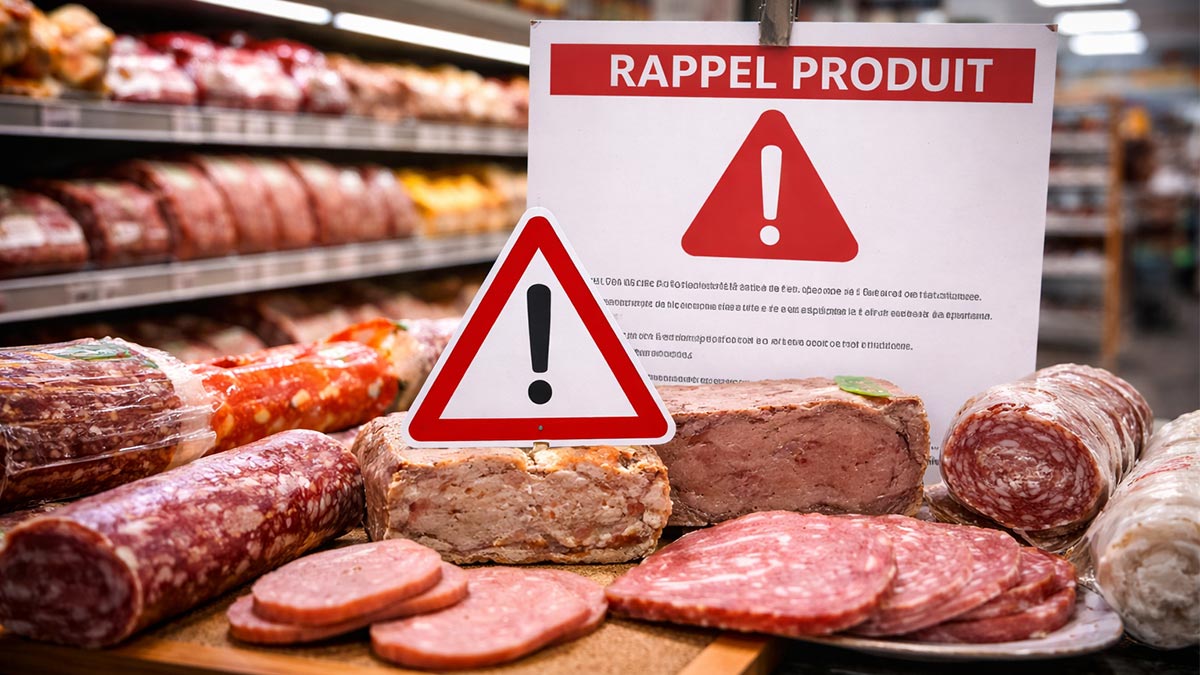
A major food safety alert has unsettled consumers across France after authorities confirmed that several popular pâté and deli meat products were contaminated with dangerous bacteria. The recall, affecting products sold in leading supermarket chains, has raised serious concerns about food safety and public health.
Shoppers are now being urged to check their refrigerators carefully, as the scale of the recall suggests a widespread issue rather than an isolated incident.
What Triggered the Recall
The recall was issued after routine checks detected the presence of Listeria monocytogenes in various ready-to-eat meat products.
Affected Retailers
The contaminated items were distributed through major supermarket chains, including:
- Carrefour
- Auchan
- E.Leclerc
These products have now been removed from shelves, but many may still be in consumers’ homes.
The Scale of the Contamination
This recall is considered significant because it involves a wide variety of commonly consumed items.
Products Involved
- Pâtés and terrines
- Rillettes
- Pre-packaged cold cuts and charcuterie
These foods are widely consumed across France, making the situation particularly concerning.
Why Listeria Is So Dangerous
Unlike many bacteria, Listeria can survive and grow in refrigerated conditions, which makes it especially risky in ready-to-eat foods.
Health Risks
Infection can lead to:
- Fever and flu-like symptoms
- Severe complications such as meningitis or sepsis
- Pregnancy-related risks, including miscarriage
Most Vulnerable Groups
- Pregnant women
- Elderly individuals
- People with weakened immune systems
- Newborns
For these groups, exposure can be life-threatening.
Investigation Underway: Searching for the Source
Authorities are actively working to trace the origin of the contamination.
Key Focus Areas
- Food production facilities
- Storage and transportation conditions
- Hygiene and quality control processes
Because multiple retailers are involved, experts suspect a broader issue within the supply chain rather than a single source.
Impact on Consumers and the Food Industry
The consequences of this recall extend beyond immediate health concerns.
Consumer Impact
- Increased anxiety about food safety
- Loss of trust in familiar brands
- Greater caution when purchasing deli products
Industry Impact
- Financial losses due to product withdrawals
- Damage to brand reputation
- Pressure to strengthen safety protocols
Rebuilding consumer confidence will be a major challenge in the months ahead.
What Consumers Should Do Right Now
Authorities are advising immediate action to reduce risk.
Safety Steps
- Check all pâté, rillettes, and cold meat products at home
- Match product details with recall notices
- Dispose of any affected items immediately
- Do not taste or consume suspected products
If symptoms appear after consumption, medical advice should be sought promptly.
Preventing Listeria at Home
While the recall is a major factor, everyday food safety habits remain essential.
- → The Unexpected Household Hack That Keeps Wet Floors and Entryways Clean in 2026
- → The Hair Transformation Women Over 50 Are Talking About in 2026: What Really Works for Thinning Hair
- → Marseille’s Mistral District in Crisis: Arrests, Secrets, and a Growing Mystery in 2026
- → Massive 35-Meter Waves in the Pacific: What Scientists Are Discovering in 2026
- → Why You’re Receiving More Spam Calls in 2026: The Hidden Reasons and How to Stop Them
- → The Express Chignon: A Quick and Elegant Hairstyle for Busy Women in 2026
- → Pisces Horoscope Warning for April 02, 2026: A Turning Point for Health, Love, and Finances
Best Practices
- Keep refrigerators below 4°C
- Avoid cross-contamination between raw and ready-to-eat foods
- Consume refrigerated products before expiry dates
- Clean kitchen surfaces regularly
These steps can significantly reduce the risk of infection.
A Wake-Up Call for Food Safety Standards
Experts are calling this incident a critical moment for the French food industry.
Stronger measures are expected, including:
- Improved traceability systems
- Enhanced hygiene controls
- More frequent inspections
- Greater transparency with consumers
The goal is not only to resolve the current crisis but to prevent future outbreaks.
Conclusion
The widespread recall of pâtés and cold meats contaminated with Listeria has highlighted the vulnerabilities within modern food supply chains. While authorities have acted quickly to remove affected products, the situation serves as a reminder of how serious foodborne risks can be.
For consumers, vigilance is essential—checking products, following safety guidelines, and staying informed can make a crucial difference. For the industry, this is a moment to rebuild trust through stronger standards and accountability.
As investigations continue, the priority remains clear: protecting public health and ensuring that such incidents are less likely to happen again.
Frequently Asked Questions
What products are affected by the recall?
The recall includes pâtés, rillettes, and various cold meat products sold in major French supermarkets.
What should I do if I have these products at home?
Dispose of them immediately and do not consume them.
What are the symptoms of Listeria infection?
Symptoms include fever, muscle aches, and in severe cases, neurological complications.
Who is most at risk?
Pregnant women, elderly individuals, and those with weakened immune systems.
Can Listeria grow in the refrigerator?
Yes, it can survive and even grow at low temperatures, making it particularly dangerous.



Leave a comment