

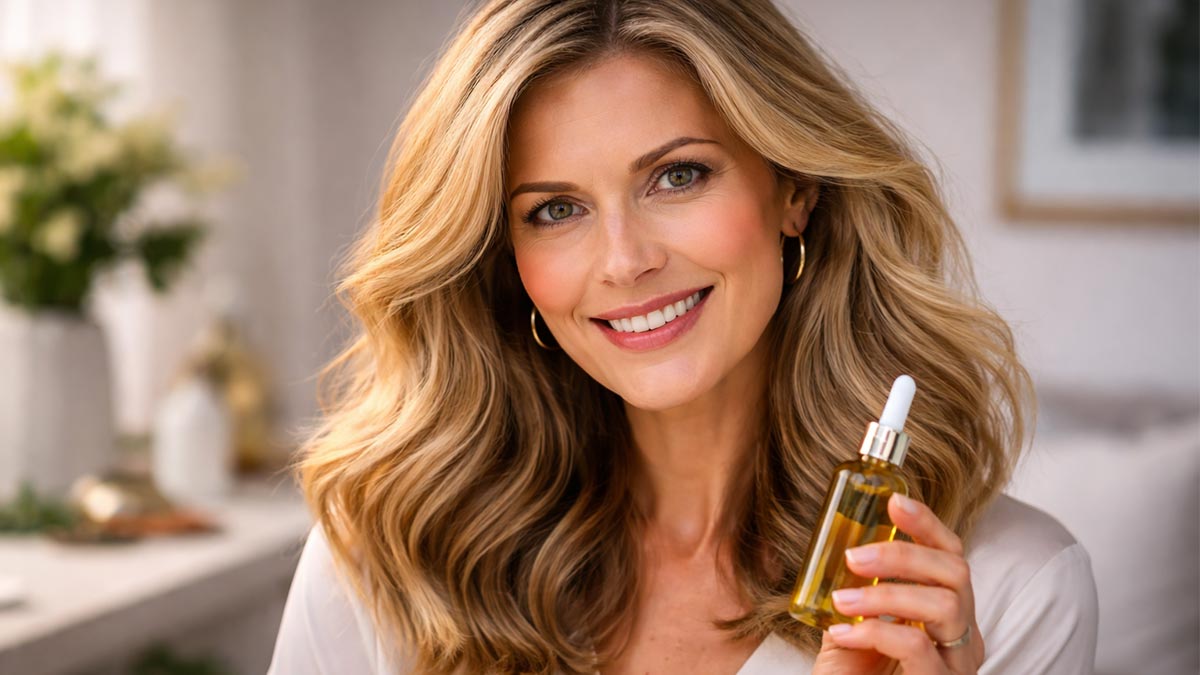
For many women over 50, changes in hair texture and density can feel frustrating and discouraging. Thinning strands, reduced volume, and increased shedding are common concerns that often seem difficult to reverse. However, new approaches in 2026 are shifting the conversation from quick cosmetic fixes to solutions that support hair health at the root level.
A growing number of stylists and clients are now focusing on treatments that target the underlying causes of hair thinning rather than just masking the symptoms.
Why Hair Thinning Happens After 50
Hair changes with age due to a combination of hormonal, biological, and environmental factors.
Key Causes
- Reduced production of essential hormones that support hair growth
- Increased sensitivity to DHT (dihydrotestosterone), a hormone linked to hair thinning
- Slower cell regeneration affecting hair follicles
- Years of exposure to heat styling, chemicals, and environmental stress
These factors gradually weaken hair from the root, leading to finer strands and reduced density.
A New Approach: Treating Hair From the Scalp
Instead of relying solely on volumizing products, experts now emphasize scalp-focused treatments.
The idea is simple: healthier follicles produce stronger, thicker hair. By improving scalp conditions, it becomes possible to support natural hair growth over time.
The Role of Saw Palmetto in Hair Care
One ingredient gaining attention in 2026 is saw palmetto, a plant extract increasingly used in hair treatments.
How It Works
Saw palmetto helps reduce the production of DHT, which is known to contribute to hair thinning. By limiting this hormone’s effect on hair follicles, it creates a more favorable environment for growth.
Why It Stands Out
- It targets a root cause rather than surface appearance
- It is considered gentle and suitable for sensitive scalps
- It can be used consistently without harsh side effects
This makes it particularly appealing for women looking for long-term improvements rather than temporary fixes.
What Results Can You Expect
While no product delivers instant transformation, consistent use of targeted treatments can lead to noticeable improvements.
Short-Term Changes (4–6 Weeks)
- Reduced hair shedding
- Slight improvement in texture
- Hair feels stronger and more manageable
Longer-Term Results (Up to 3 Months)
- Increased hair density
- Improved volume and bounce
- Healthier scalp condition
These gradual changes often lead to a more youthful and vibrant overall appearance.
Real Experiences From Women Over 50
Many women who have adopted this approach report renewed confidence.
Common feedback includes:
- Hair appearing fuller and easier to style
- Improved scalp comfort and reduced irritation
- Positive emotional impact from visible improvements
While results vary, the overall trend points toward increased satisfaction with consistent use.
Embracing Fine Hair Instead of Fighting It
One of the most important shifts in 2026 is the mindset around aging hair.
Instead of viewing fine or thinning hair as a problem to hide, many women are choosing to work with their natural texture.
What This Means
- Selecting hairstyles that enhance volume naturally
- Using lightweight products instead of heavy styling creams
- Prioritizing health over appearance alone
This approach leads to more sustainable and realistic results.
Building a Simple and Effective Hair Routine
Consistency is key when it comes to improving hair health.
Recommended Routine
- Apply a scalp treatment regularly, focusing on roots
- Massage gently to stimulate circulation
- Use a mild, sulfate-free shampoo
- Avoid excessive heat styling
- Maintain a balanced diet to support hair growth
Even small daily habits can contribute to noticeable improvements over time.
Common Mistakes to Avoid
Many people unintentionally worsen hair thinning by following outdated practices.
Mistakes to Watch For
- Using heavy oils that weigh hair down
- Over-styling with heat tools
- Expecting instant results from new products
- Ignoring scalp health
Avoiding these habits can significantly improve outcomes.
The Future of Hair Care for Women Over 50
Hair care trends in 2026 are moving toward science-backed, holistic solutions.
Instead of focusing on temporary fixes, the industry is prioritizing:
- → Nationwide Listeria Recall in France: What You Need to Know About Contaminated Pâtés and Cold Meats in 2026
- → The Unexpected Household Hack That Keeps Wet Floors and Entryways Clean in 2026
- → Marseille’s Mistral District in Crisis: Arrests, Secrets, and a Growing Mystery in 2026
- → Massive 35-Meter Waves in the Pacific: What Scientists Are Discovering in 2026
- → Why You’re Receiving More Spam Calls in 2026: The Hidden Reasons and How to Stop Them
- → The Express Chignon: A Quick and Elegant Hairstyle for Busy Women in 2026
- → Pisces Horoscope Warning for April 02, 2026: A Turning Point for Health, Love, and Finances
- Long-term scalp health
- Natural ingredient-based treatments
- Personalized routines based on hair type
This shift is helping women achieve results that feel both realistic and sustainable.
Conclusion
Hair thinning after 50 is a common experience, but it does not have to define how you look or feel. With the right approach—focused on scalp health, consistent care, and realistic expectations—it is possible to restore strength, volume, and confidence.
Ingredients like saw palmetto are changing how experts approach hair loss, offering a more targeted and gentle solution. Combined with a simple, effective routine, these strategies can lead to meaningful improvements over time.
In 2026, the goal is no longer to chase unrealistic transformations but to support healthy, natural hair that reflects your age with confidence and style.
Frequently Asked Questions
Can hair thinning after 50 be reversed?
It can often be improved with the right treatments and consistent care, though results vary.
How long does it take to see results?
Most people notice changes within 4 to 6 weeks, with more visible results after a few months.
Is saw palmetto safe for regular use?
It is generally considered safe and gentle for most people, especially in topical applications.
Does this work for all hair types?
Yes, scalp-focused treatments can benefit a wide range of hair textures.
What is the biggest mistake to avoid?
Ignoring scalp health and relying only on surface-level styling products.




Leave a comment