

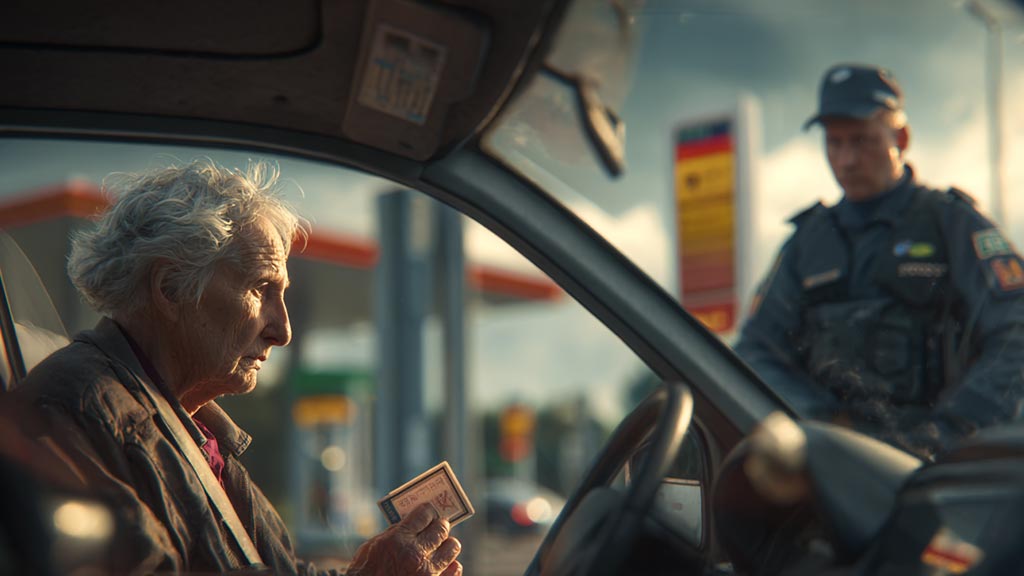
For many retirees in Germany, owning a car is not just about comfort—it is a vital connection to healthcare, daily errands, and social life. However, new regulations introduced in 2026 could increase financial pressure on pensioners and even expose them to fines if they are not prepared.
Understanding these updates is key to staying mobile and avoiding unnecessary costs.
Driving Licence Exchange: A Critical 2026 Deadline
One of the most important changes affects older driving licences. Individuals who hold plastic card licences issued between 1999 and 2001 must replace them with the newer EU-standard licence.
Key Deadline:
19 January 2026
Failing to exchange the licence by this date does not remove driving rights, but the physical licence becomes invalid.
Why This Matters:
- Police checks may result in warning fines
- Driving abroad can become problematic
- Rental companies may reject outdated licences
For pensioners living on limited incomes—many earning under €1,000 per month—even small fines can be a burden.
How to Exchange Your Licence
The process is relatively simple but requires preparation:
- → Nationwide Listeria Recall in France: What You Need to Know About Contaminated Pâtés and Cold Meats in 2026
- → The Unexpected Household Hack That Keeps Wet Floors and Entryways Clean in 2026
- → The Hair Transformation Women Over 50 Are Talking About in 2026: What Really Works for Thinning Hair
- → Marseille’s Mistral District in Crisis: Arrests, Secrets, and a Growing Mystery in 2026
- → Massive 35-Meter Waves in the Pacific: What Scientists Are Discovering in 2026
- → Why You’re Receiving More Spam Calls in 2026: The Hidden Reasons and How to Stop Them
- → The Express Chignon: A Quick and Elegant Hairstyle for Busy Women in 2026
- Book an appointment at your local licensing office
- Bring your current licence and valid ID (passport or ID card)
- Submit a biometric passport photo
- Pay a processing fee
Delays are possible as the deadline approaches, so early action is recommended. Family members can assist seniors in booking appointments or completing the process.
Rising CO₂ Costs: Higher Fuel Prices in 2026
Another major change affects fuel prices. Germany has increased its CO₂ pricing range to €55–65 per tonne, which directly impacts petrol and diesel costs.
Expected Increase:
- Around 16–20 cents more per litre
- Approximately €100 extra per year for an average pensioner driver
- Roughly €8–€9 more per month
While this may seem modest, it adds strain to already tight monthly budgets.
Why Fuel Price Increases Hit Pensioners Hard
Older drivers often have limited flexibility when it comes to reducing car use. Common reasons include:
- Frequent medical appointments
- Limited access to public transport in rural areas
- Responsibilities such as caregiving or family support
- Difficulty carrying groceries without a vehicle
In some cases, rising fuel costs may force seniors to cut back on travel or reconsider car ownership altogether.
Car Insurance Costs Rising in 2026
Insurance premiums are also expected to increase due to:
- Higher repair and labor costs
- Expensive spare parts
- Advanced vehicle technologies
Additionally, insurers are updating type and regional risk classes, which can affect pricing depending on the vehicle model and location.
Many pensioners only notice these changes when renewal notices arrive, making the increase feel sudden and difficult to manage.
Ways to Reduce Insurance Expenses
There are several practical ways pensioners can lower insurance costs:
- Adjust coverage: Older vehicles may not require full comprehensive insurance
- Increase deductible: Higher excess can reduce premiums
- Limit drivers: Restricting the policy to fewer drivers lowers risk
- Update mileage: Lower annual usage can reduce costs
- Pay annually: Annual payments are often cheaper than monthly instalments
Pension Adjustments: A Mixed Impact
In 2026, Germany’s basic pension supplement (Grundrentenzuschlag) is being recalculated.
- Some pensioners may receive higher payments
- Others could see reductions if their income has increased
This creates an uncertain financial outlook for many retirees already dealing with rising expenses.
Overview of Key Changes in 2026
| Cost Area | What’s Changing | Impact on Pensioners |
|---|---|---|
| Driving Licence | Mandatory exchange by 19 Jan 2026 | Risk of fines and travel issues |
| Fuel Prices | CO₂ price increase | Higher petrol and diesel costs |
| Car Insurance | New risk classifications and repair costs | Increased premiums |
Practical Tips to Stay Mobile on a Budget
Pensioners can adopt simple strategies to manage costs:
- Combine multiple errands into one trip
- Share rides with neighbours or family
- Use public transport for shorter journeys
- Compare fuel prices using apps
- Consider switching to a more fuel-efficient vehicle
Family support can also play an important role, especially for longer or more demanding trips.
Key Terms Explained
CO₂ Pricing
A government charge applied to fuel emissions. As the cost per tonne increases, fuel prices rise accordingly.
Type and Regional Classes
Insurance categories based on vehicle risk and location. Higher-risk classifications lead to higher premiums.
Real-Life Examples
Scenario 1
A 72-year-old woman in Bavaria drives about 6,000 km annually. With fuel price increases and insurance adjustments, she may spend an additional €150–€180 per year—equivalent to a week’s groceries.
Scenario 2
A 78-year-old man in a rural area relies heavily on his car due to limited public transport. Missing the licence exchange deadline could result in fines or complications during essential trips, such as medical visits.
Conclusion
The new car regulations in Germany for 2026 bring a combination of administrative requirements and rising costs that directly affect pensioners. From licence exchanges to higher fuel and insurance expenses, these changes highlight the growing financial challenges of maintaining mobility in retirement.
By staying informed, acting early, and making small adjustments, seniors can continue driving while minimizing financial strain. Ultimately, the goal is to preserve independence without compromising financial stability.
FAQs
Do I lose my driving rights if I miss the licence exchange deadline?
No, but your licence document becomes invalid and may lead to fines.
How much more will fuel cost in 2026?
Fuel prices are expected to rise by about 16–20 cents per litre.
Can I reduce my car insurance costs?
Yes, by adjusting coverage, mileage, and payment options.
Who is affected by the licence exchange rule?
Drivers with licences issued between 1999 and 2001.
Will pension payments increase in 2026?
Some pensioners may receive more, but others could see reductions depending on income changes.



Leave a comment