

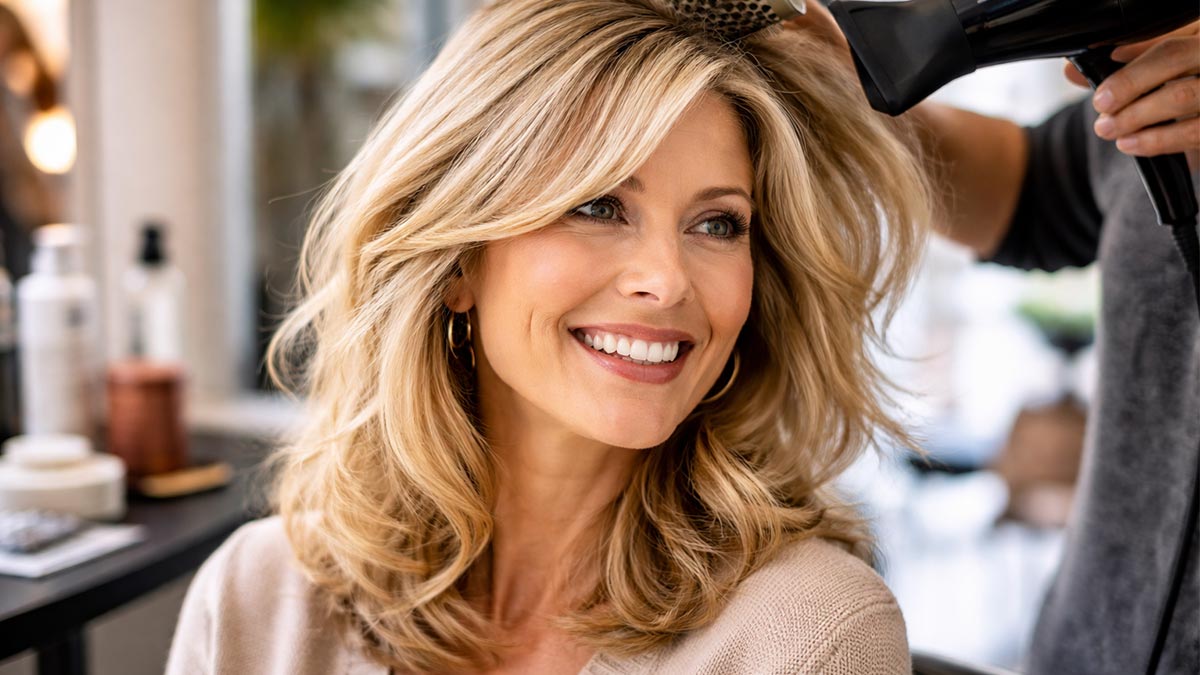
Fine hair can be beautiful, soft, and versatile—but it also comes with its own set of challenges. From lack of volume to difficulty holding shape, many people struggle to find styles that truly work for their hair type. As we move into 2026, hair professionals are becoming more direct about what doesn’t work for fine hair and what should finally be left behind.
This guide breaks down the most common hairstyle mistakes, explains why they fail, and offers practical alternatives to help you achieve fuller, more dynamic-looking hair.
Why Fine Hair Needs a Different Approach
Fine hair strands are thinner in diameter, which makes them more prone to falling flat, losing shape, and appearing less dense. Because of this, styles that may work well on thick hair often have the opposite effect on fine hair.
The key to styling fine hair successfully lies in balance—balancing length, layers, and texture to create the illusion of volume without weighing the hair down.
- → Nationwide Listeria Recall in France: What You Need to Know About Contaminated Pâtés and Cold Meats in 2026
- → The Unexpected Household Hack That Keeps Wet Floors and Entryways Clean in 2026
- → The Hair Transformation Women Over 50 Are Talking About in 2026: What Really Works for Thinning Hair
- → Marseille’s Mistral District in Crisis: Arrests, Secrets, and a Growing Mystery in 2026
- → Massive 35-Meter Waves in the Pacific: What Scientists Are Discovering in 2026
- → Why You’re Receiving More Spam Calls in 2026: The Hidden Reasons and How to Stop Them
- → The Express Chignon: A Quick and Elegant Hairstyle for Busy Women in 2026
Mistake 1: Keeping Hair Too Long
Long, flowing hair might seem appealing, but for fine hair, excessive length often leads to a limp and lifeless appearance.
Why It Doesn’t Work
The weight of long hair pulls strands downward, reducing natural lift at the roots and making hair appear flat and thin.
What to Do Instead
Opt for medium-length cuts with subtle layering. These styles provide enough length for versatility while maintaining volume and movement.
Mistake 2: Overloading Hair With Layers
Layers are often recommended for fine hair, but too many layers can backfire.
Why It Doesn’t Work
Excessive layering can make hair look stringy, uneven, and lacking in structure. Instead of creating volume, it can give the illusion of less hair.
What to Do Instead
Choose soft, strategically placed layers—especially around the face. This adds dimension without compromising fullness.
Mistake 3: The Flat “Lob” That Lacks Movement
The long bob, or lob, has been a popular hairstyle for years. However, without proper styling, it can fall flat on fine hair.
Why It Doesn’t Work
A blunt lob without texture tends to hang straight down, offering little shape or body.
What to Do Instead
Incorporate light layers or face-framing pieces. Styling with a round brush or adding texture products can significantly improve the look.
Mistake 4: One-Length Mid-Length Cuts
At first glance, a one-length cut may seem neat and low-maintenance, but it often lacks dimension.
Why It Doesn’t Work
Without variation in length, fine hair can appear heavy at the ends and flat overall.
What to Do Instead
Add subtle shaping and gentle waves or bends to create movement and visual fullness.
Mistake 5: Cutting Hair Too Short
Short hairstyles can work beautifully for fine hair—but going too short can create problems.
Why It Doesn’t Work
Extremely short cuts can expose the scalp and make hair appear sparse or thin.
What to Do Instead
Choose slightly longer short styles, such as a textured pixie with some length. This allows for better styling flexibility and a fuller appearance.
What Experts Say About Fine Hair Styling
Hair professionals emphasize that the goal is not to fight your hair type but to work with it.
The most effective strategies include:
- Adding movement through strategic layering
- Using lightweight volumizing products
- Avoiding heavy styling creams or oils
- Creating lift at the roots through blow-drying techniques
The right combination of cut and styling can transform fine hair from flat to full-looking.
How to Communicate With Your Stylist
Getting the right haircut starts with clear communication. Many people leave the salon disappointed simply because they didn’t explain their needs properly.
What to Discuss
- Your biggest concerns (flatness, lack of volume, etc.)
- Your daily styling routine
- Products you currently use
- How much time you’re willing to spend styling
A collaborative approach ensures your stylist understands your goals and can tailor the cut accordingly.
Simple Ways to Boost Volume at Home
Even the best haircut needs proper maintenance. Here are a few easy ways to enhance volume daily:
Use Lightweight Products
Choose shampoos and conditioners designed specifically for fine hair. Avoid heavy formulas that can weigh strands down.
Deep Condition Regularly
Hydration strengthens hair and improves texture, but use lightweight treatments to avoid greasiness.
Try Volumizing Styling Products
Mousses, root sprays, and light hairsprays can help create lift and hold without stiffness.
Blow-Dry With Technique
Drying hair upside down or using a round brush at the roots can instantly boost volume.
The Future of Fine Hair Trends in 2026
Hair trends are shifting toward natural texture and personalized styling. Instead of following one-size-fits-all trends, the focus is now on enhancing individual hair types.
For fine hair, this means:
- Embracing softer, more natural movement
- Choosing cuts that prioritize volume over length
- Using minimal but effective styling products
This shift allows people to celebrate their natural hair rather than constantly trying to change it.
Conclusion
Fine hair does not need to be a limitation—it simply requires a thoughtful approach. Many popular hairstyles fail because they ignore the unique characteristics of fine strands, leading to flat, lifeless results.
By avoiding overly long styles, excessive layers, blunt cuts, and overly short trims, you can create a look that feels fuller, healthier, and more dynamic. The key is to focus on balance, movement, and smart styling choices.
As we move through 2026, the best hairstyle for fine hair is not about following trends but about understanding what works for you. With the right techniques and guidance, fine hair can look just as voluminous and stylish as any other hair type.
Frequently Asked Questions
What is the worst hairstyle for fine hair?
Very long styles, overly layered cuts, blunt lobs, and extremely short pixies are often the least flattering for fine hair.
Can fine hair look thick?
Yes, with the right haircut, layering, and styling techniques, fine hair can appear much fuller.
How often should fine hair be trimmed?
Every 6 to 8 weeks is ideal to maintain shape and prevent split ends.
What products are best for fine hair?
Lightweight volumizing shampoos, conditioners, mousses, and root-lifting sprays work best.
Is short or long hair better for fine hair?
Medium-length or slightly shorter styles with layers usually provide the best balance of volume and manageability.


Leave a comment