


Picture this: a driver pulls up to a gas station, reaches for the nozzle, glances at the pump screen — and freezes. The number staring back at her isn’t just the price per gallon. It’s a breakdown. Fuel cost. Station markup. Profit margin. Right there, in plain digital text, for anyone to see.
This is no longer a hypothetical. Across the country, a new government mandate is forcing gas stations to display exactly how much they’re pocketing on every gallon sold — and the public reaction has been nothing short of explosive.
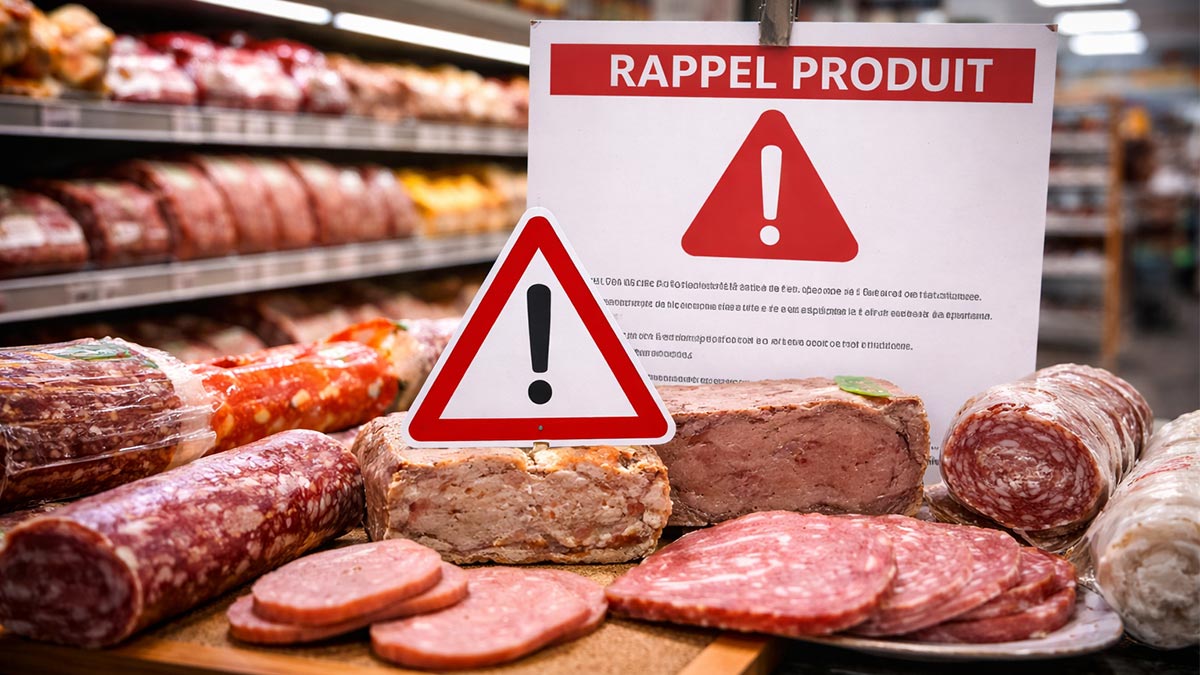
- → Nationwide Listeria Recall in France: What You Need to Know About Contaminated Pâtés and Cold Meats in 2026
- → The Unexpected Household Hack That Keeps Wet Floors and Entryways Clean in 2026
- → The Hair Transformation Women Over 50 Are Talking About in 2026: What Really Works for Thinning Hair
- → Marseille’s Mistral District in Crisis: Arrests, Secrets, and a Growing Mystery in 2026
- → Massive 35-Meter Waves in the Pacific: What Scientists Are Discovering in 2026
- → Why You’re Receiving More Spam Calls in 2026: The Hidden Reasons and How to Stop Them
- → The Express Chignon: A Quick and Elegant Hairstyle for Busy Women in 2026
The Government Steps In: What the Mandate Actually Requires
In an unprecedented move, federal authorities have introduced a requirement compelling gas stations to show their profit margins directly on pump display screens. The intent is straightforward: give consumers a transparent, line-by-line picture of what they’re actually paying for — the raw fuel cost versus the station’s added markup.
Advocates of the policy frame it as a basic consumer rights issue. If drivers are going to spend a significant portion of their income on fuel, the argument goes, they deserve to understand exactly where that money is going. Proponents also believe that once profit margins are visible, market competition will naturally intensify — pushing stations to trim their markups to attract price-conscious customers.
The fuel industry, however, has met this mandate with fierce resistance, arguing that it oversimplifies a genuinely complex cost structure and sets a dangerous precedent for government intrusion into private business operations.
Drivers React: Anger, Disbelief, and a Lot of Questions
For many motorists, seeing the profit breakdown on screen for the first time has triggered a visceral response. The dominant emotion? Betrayal.
Drivers who have spent years assuming they were simply paying “the going rate” are now confronted with numbers suggesting they’ve been absorbing markups far beyond what they ever imagined. Online forums and social media platforms have erupted with commentary — some expressing raw fury, others demanding immediate regulatory action, and many simply struggling to make sense of what the numbers actually mean.
Some consumers have responded with direct economic action, pledging to exclusively patronize stations with the lowest visible margins. Others, overwhelmed by the unfamiliar data, aren’t sure how to respond at all. The mandate has achieved transparency — but it has also generated a significant wave of confusion alongside the outrage.
The Industry Fights Back: Why Gas Stations Say This Isn’t Fair
Gas station owners and fuel industry representatives have been vocal in their opposition, and their arguments go beyond simple self-interest.
Their core contention is that profit margins in the fuel business are not fixed figures — they shift constantly in response to wholesale fuel prices, property costs, staffing expenses, equipment maintenance, and the relentless competitive pressure of nearby stations. Presenting a single margin figure on a screen, they argue, strips away all of that context and hands consumers a number they are likely to misinterpret.
There’s also a strategic concern: if all stations are forced to publicly display their margins, it could trigger destructive price wars where operators slash profits to unsustainable levels just to appear competitive. Industry leaders warn this could accelerate the closure of smaller, independent stations and ultimately reduce consumer choice — the exact opposite of what the mandate intends.
Beyond the economics, there’s a political anxiety running through the industry as well. Many operators fear that mandatory margin disclosure is just the first step toward deeper regulatory intervention in how they price and operate their businesses.
The Bigger Picture: How This Plays Out Across the Economy
The consequences of this mandate don’t stop at the pump. The economic ripple effects have the potential to touch nearly every sector:
| Sector | Potential Impact |
|---|---|
| Retail | Shifting consumer behavior as drivers gravitate toward lower-margin stations |
| Transportation | Rising fuel costs could push up prices for shipped goods across industries |
| Energy | Long-term pressure on traditional fuel business models if margins are persistently squeezed |
| Consumer Confidence | Eroding trust in the fuel sector could spill over into broader economic sentiment |
If drivers begin actively routing their purchases toward the lowest-margin stations, spending patterns across the retail fuel landscape will shift significantly. More critically, any upward pressure on operational costs — driven by thinning margins and potential price wars — is likely to be absorbed somewhere else in the supply chain, ultimately showing up in the prices consumers pay for everyday goods.
For the energy sector specifically, the long-term question is whether sustained margin compression makes traditional fuel retail economically unviable for smaller players — potentially accelerating the industry’s transition toward alternative energy models.
Transparency vs. Trust: The Core Tension Nobody Can Resolve
At the philosophical center of this debate is a question that goes well beyond gasoline: how much visibility into a private business’s finances does the public actually have a right to demand?
As Dr. Sarah Wilkins, Professor of Economics at the University of Metropolis, puts it, this issue cuts to the heart of the relationship between businesses, government, and the public. The government is attempting to empower consumers — but the cost to industry trust and operational freedom is real and significant.
The paradox is this: the very act of revealing profit margins may deepen distrust rather than resolve it. When drivers see a margin figure without understanding the full cost structure behind it, they may conclude they’re being exploited — even in cases where the margin is entirely reasonable given the station’s operating costs. Transparency without context can be just as misleading as opacity.
Senior analyst John Hartley of the Energy Market Research Institute echoes this concern, noting that forcing businesses to expose their internal economics risks generating more suspicion rather than reassurance — a dynamic that could prove very difficult to reverse once it takes hold.
What Happens Next: An Industry at a Crossroads
Neither the government nor the fuel industry has a clear roadmap for where this leads. The mandate is in place, the public is watching, and the numbers on the screens are already reshaping how millions of people think about filling up their tanks.
The optimistic scenario is that increased transparency genuinely drives competition, brings margins down over time, and rebuilds a consumer-industry relationship grounded in honesty. The pessimistic scenario is that the mandate accelerates distrust, destabilizes smaller operators, and triggers a cycle of regulatory escalation that leaves everyone worse off.
What’s beyond dispute is that this experiment in radical price transparency is already changing the conversation — about fuel, about corporate accountability, and about how much the government should be permitted to reach into the economics of private enterprise.
Conclusion
The government’s fuel transparency mandate has cracked open a debate that reaches far beyond the price of gasoline. At its core, this is a story about power — who holds it, who deserves to see behind its curtain, and what happens when exposure replaces assumption.
Drivers are right to want honesty at the pump. The fuel industry is not wrong to argue that numbers without context can mislead as much as they illuminate. And the government, caught between both, is navigating one of the most delicate balancing acts in modern consumer policy.
The truth is, there are no easy answers here. But the conversation that this mandate has forced — loud, messy, and uncomfortable as it is — may ultimately prove more valuable than anyone expected. Because an economy that can ask hard questions about pricing, profit, and fairness is healthier than one that never dares to look.
Frequently Asked Questions
Why did the government introduce the fuel transparency mandate? The government’s stated goal is consumer empowerment — giving drivers a clear breakdown of fuel costs versus station markups so they can make informed purchasing decisions. Authorities also hope that greater visibility will stimulate market competition and gradually reduce prices at the pump.
How have drivers responded to seeing profit margins on pump screens? Reactions have ranged from outrage to genuine confusion. Many drivers feel they’ve been overcharged for years without knowing it, while others struggle to interpret the data without broader context. The mandate has sparked widespread discussion on social media and in local communities.
What is the fuel industry’s main argument against this policy? The industry argues that profit margins are dynamic and influenced by numerous cost factors — wholesale prices, rent, labor, and competition — that a single screen figure fails to capture. They also warn that forced transparency could trigger price wars, harm smaller operators, and invite further government regulation.
Could this mandate affect prices beyond the gas station? Yes. If fuel costs rise as a result of market disruption, those increases tend to filter through the broader economy — affecting transportation costs and, in turn, the price of goods and services that depend on fuel distribution.
Is transparency always good for consumers? Not necessarily in isolation. Transparency is most beneficial when consumers have the context to interpret what they’re seeing. Raw margin figures without explanation of underlying costs can create misleading impressions and potentially deepen distrust rather than resolve it.
What could this mean for the long-term future of the fuel industry? If margins are compressed significantly over time, smaller and independent fuel retailers may find their businesses unviable. This could accelerate consolidation in the industry and potentially hasten the shift toward alternative energy infrastructure.
How should drivers use this new information at the pump? Rather than reacting purely to the margin figure shown, drivers benefit from comparing prices across multiple stations, staying informed about current wholesale fuel prices, and understanding that a higher displayed margin doesn’t automatically indicate unfair pricing when operational costs are factored in.
Could this lead to more government intervention in other industries? That’s the concern many in the fuel industry share. If mandatory profit disclosure proves politically popular, lawmakers may be emboldened to extend similar requirements to other sectors — a development that business groups across multiple industries are watching closely.



Leave a comment