

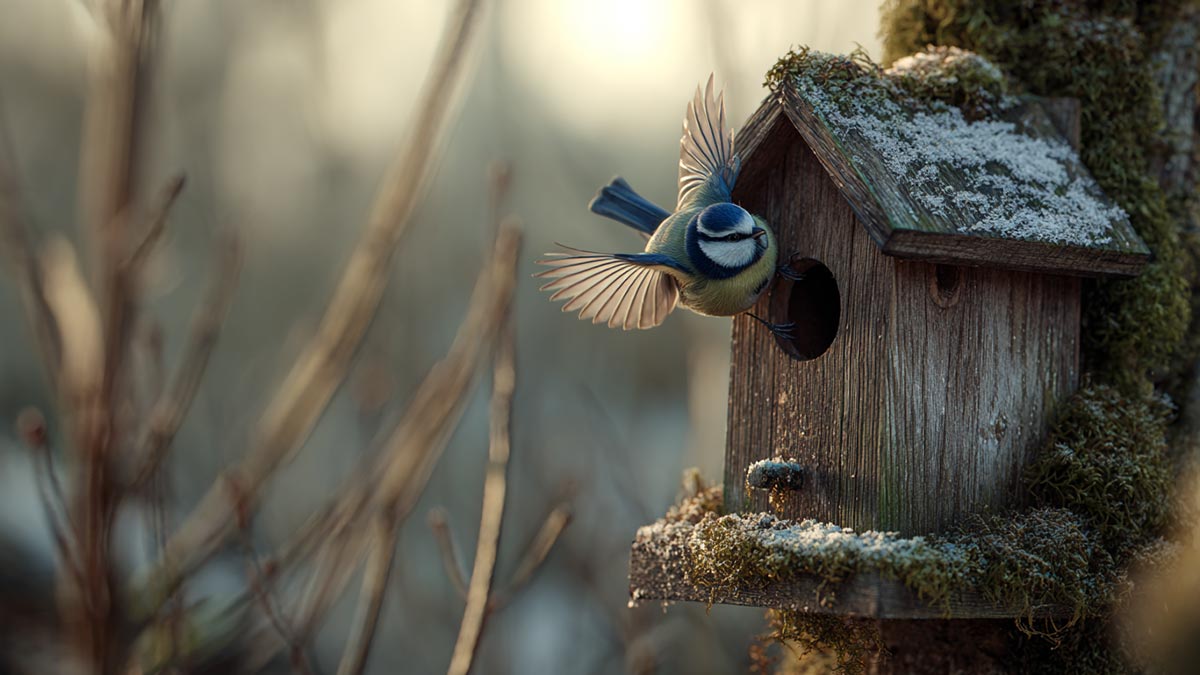
Every year, as winter loosens its grip and the first tentative signs of spring appear, bird enthusiasts and conservationists raise the same urgent reminder. While most gardeners assume that February is a quiet, uneventful month in the natural world, ornithologists know otherwise. For the birds that will soon begin nesting, what happens right now — in these cold, grey weeks — can determine whether their young survive the season ahead.
The habit experts keep coming back to is deceptively simple: cleaning out last year’s nest boxes. This one routine act, repeated annually by dedicated birdwatchers and wildlife conservationists, plays a surprisingly powerful role in protecting the next generation of garden birds.
Choosing the Right Nest Box: Size, Material, and Species Compatibility
Long before the first eggs are laid, birds are already surveying their surroundings in search of suitable nesting spots. The characteristics of a nest box — its dimensions, entrance hole size, and construction material — can significantly affect whether a bird chooses to use it and whether its chicks ultimately survive.
Ornithologists consistently highlight the need to match the box to the species. Smaller birds such as blue tits and great tits require a narrower entrance hole to feel secure, while robins and wrens need a slightly wider opening to move in and out comfortably. Getting this detail wrong can mean the box goes unused entirely.
Material choice also matters. Wooden boxes tend to be the preferred option, offering natural insulation and a texture that birds find familiar. Plastic and metal alternatives are generally less suitable, particularly for species that are sensitive to temperature fluctuations inside the box.
When homeowners take the time to understand what different species actually need, they dramatically increase the likelihood that their nest boxes will be occupied — and that the resulting broods will thrive.
Why February Is the Right Time to Clean Nest Boxes
Timing is one of the most critical — and most frequently overlooked — elements of nest box management. Cleaning out boxes during late winter, before the breeding season begins, gives birds a clean, safe space to move straight into when they are ready to nest.
Boxes left with accumulated debris from the previous year — old nesting material, feathers, parasites, and droppings — become significantly less attractive to prospective occupants. In many cases, birds will bypass a dirty or cluttered box entirely and seek out alternative sites, which may be far less safe or suitable.
In more severe cases, birds may abandon a garden altogether if nesting conditions are inadequate. The knock-on effect for local wildlife can be considerable, as breeding birds play a vital role in maintaining the ecological balance of any green space.
Ornithologists are clear on this point: by acting during the quiet winter months rather than waiting until spring, homeowners can make a meaningful and lasting difference to the health of their local bird communities.
Location Matters: Where and How to Position Your Nest Box
Selecting the right nest box is only half the challenge — where it is placed has an equally significant impact on its success. Wildlife experts advise mounting boxes in sheltered positions that are protected from direct sunlight, heavy rain, and strong prevailing winds. These environmental factors can be lethal to eggs and newly hatched chicks if left unaddressed.
Height is another important variable. The recommended range for most garden bird species is between 1.5 and 5 metres above ground level, with the entrance hole angled away from the direction of prevailing winds. This positioning reduces the risk of predator access while making it easier for parent birds to come and go freely.
Keeping boxes away from high-traffic areas of the garden — where human activity may disturb nesting birds — is also strongly advised. A nest box that is well-designed but poorly placed will rarely fulfil its potential.
The Broader Impact: How Nest Boxes Benefit the Entire Garden Ecosystem
The value of a thriving bird population extends well beyond the pleasure of watching them from a kitchen window. Birds that successfully raise their young contribute directly to the health of the wider garden ecosystem — acting as natural pest controllers by consuming vast quantities of insects, and assisting with pollination as they move between plants.
A garden that supports diverse bird species tends to be a more balanced and resilient environment overall. The presence of breeding birds encourages broader biodiversity, creating conditions in which other wildlife can also flourish.
For many gardeners, there is also a deeply personal dimension to this. Watching birds raise their chicks through the spring and summer months adds a sense of connection to the natural world that no amount of planting or landscaping can replicate.
Nest Boxes for Every Space: From City Balconies to Country Gardens
One of the most encouraging aspects of nest box conservation is its accessibility. Regardless of how much outdoor space you have, there is almost always a way to contribute.
Those with small urban balconies or courtyard gardens can opt for compact boxes designed for species like tits and wrens, which are well-adapted to city environments. Even a single well-placed box on a wall or fence can make a genuine difference.
Owners of larger gardens have the opportunity to install a variety of box types across different zones, catering to a wider range of species and creating a more interconnected habitat. Thoughtful placement across multiple locations can transform an ordinary garden into a meaningful wildlife refuge.
Whatever the scale, the principle remains the same: clean, correctly positioned nest boxes give birds the foundation they need to breed successfully.
Managing the Risks: Balancing Bird Safety With Practicality
While the case for nest boxes is compelling, there are practical considerations that responsible gardeners should keep in mind. Predation is among the most serious risks — boxes must be mounted securely and positioned in ways that limit access by cats, squirrels, and other potential threats. Predator guards fitted around the entrance hole can offer an additional layer of protection.
It is also worth recognising that some bird species are more sensitive to human disturbance than others. While occasional monitoring is useful for understanding how boxes are being used, excessive interference during the breeding season can cause parent birds to abandon a nest. Striking the right balance between observation and restraint is essential.
Staying informed about the habits and preferences of local bird species allows gardeners to make better decisions about box design, placement, and management — turning good intentions into genuinely positive outcomes.
Expert Voices
Dr. Emily Cunningham, Senior Ornithologist, British Trust for Ornithology: Providing the right nest boxes at the right time can make a huge difference in the survival rates of baby birds. It is a simple yet impactful way for homeowners to support their local bird populations.
Sarah Wilson, Wildlife Conservationist and Educator: Cleaning out nest boxes in February is a crucial yet often overlooked task. Removing old nesting materials ensures boxes are ready for the new breeding season, giving birds the best possible start.
Tom Greenwood, Habitat Management Specialist, RSPB: The placement of the nest box is just as important as its design. Positioning boxes in sheltered, predator-resistant locations is key to creating a safe environment for local bird populations.
Nest Box Quick Reference Guide
| Nest Box Material | Best Suited For |
|---|---|
| Wooden | Blue tits, great tits, house sparrows, robins, wrens |
| Concrete or Terracotta | Swifts, house martins, house sparrows |
| Plastic | Smaller species like tits and wrens only |
| Placement Factor | Recommendation |
|---|---|
| Height above ground | 1.5 to 5 metres |
| Entrance hole height | 1.5 to 2 metres |
| Orientation | Away from prevailing winds and direct sun |
| Human activity proximity | Avoid high-traffic garden zones |
Conclusion
The annual ritual of cleaning and preparing nest boxes may seem like a minor task, but its impact on local bird populations is anything but small. By taking action in late winter — before the breeding season begins — gardeners give birds the best possible conditions in which to nest, lay, and raise their young. The right box, placed in the right location and maintained consistently, can serve as a vital lifeline for species that depend on garden habitats to survive.
Beyond the birds themselves, the ripple effects of a well-managed garden habitat touch every corner of the ecosystem — from insect populations to plant health to overall biodiversity. Whether you tend a rooftop balcony or a sprawling rural garden, this is one of the simplest, most rewarding contributions any nature-lover can make.
Frequently Asked Questions
Which bird species are most likely to use garden nest boxes? Blue tits, great tits, house sparrows, robins, and wrens are among the most common users of garden nest boxes. Larger species such as swifts and house martins may also occupy specially designed boxes suited to their needs.
How frequently should nest boxes be cleaned out? Nest boxes should ideally be cleaned during late winter or early spring, ahead of the breeding season. This removes old nesting material along with any parasites or debris that could discourage birds from moving in.
Which material makes the best nest box? Wooden boxes are widely regarded as the best all-round option, providing good insulation and a natural feel. Concrete or terracotta works well for species like swifts, while plastic is only suitable for the smallest bird species.
At what height should a nest box be installed? Most experts recommend a height of between 1.5 and 5 metres, with the entrance hole angled away from prevailing winds to shelter occupants from the elements and reduce predator risk.
Are there any additional features worth adding to a nest box? Optional additions such as predator guards or drainage holes can enhance a box’s effectiveness. That said, the most important factors remain the correct sizing, appropriate material, and careful placement.
How can I tell whether a nest box is being used? Watch for birds entering and exiting the box, or look for fresh nesting material being brought in. Once eggs hatch, you may also hear the distinctive calls of chicks coming from inside.
- → Nationwide Listeria Recall in France: What You Need to Know About Contaminated Pâtés and Cold Meats in 2026
- → The Unexpected Household Hack That Keeps Wet Floors and Entryways Clean in 2026
- → The Hair Transformation Women Over 50 Are Talking About in 2026: What Really Works for Thinning Hair
- → Marseille’s Mistral District in Crisis: Arrests, Secrets, and a Growing Mystery in 2026
- → Massive 35-Meter Waves in the Pacific: What Scientists Are Discovering in 2026
- → Why You’re Receiving More Spam Calls in 2026: The Hidden Reasons and How to Stop Them
- → The Express Chignon: A Quick and Elegant Hairstyle for Busy Women in 2026
What should I do if the nest box shows signs of damage or pest activity? Address any issues promptly to avoid deterring birds or endangering a nesting brood. For advice on safe and appropriate intervention, consult a local wildlife conservation organisation or ornithological group.
What else can I do to attract more birds to my garden? Complementing your nest boxes with bird feeders, a water source, and a variety of native plants will help attract a broader range of species. A wildlife-friendly garden with layered planting and minimal pesticide use creates the kind of habitat where birds choose to stay.



Leave a comment