

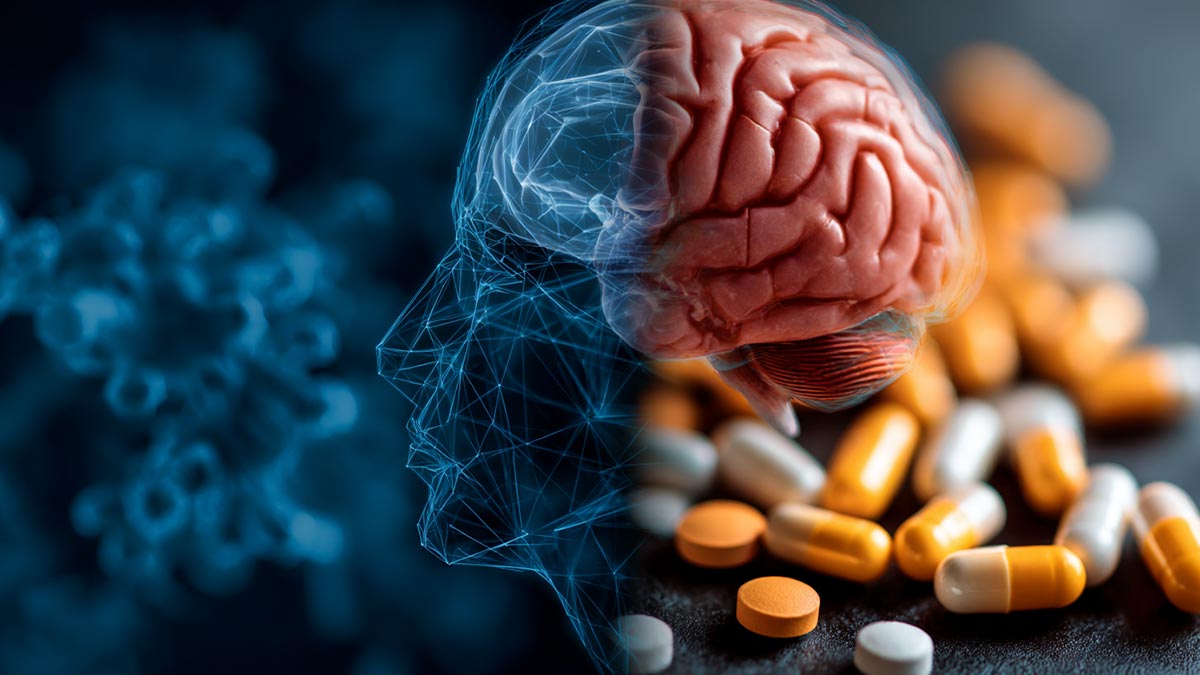
For over six decades, Metformin has been a cornerstone treatment for Type 2 Diabetes, widely trusted for controlling blood sugar levels. However, despite its long history, scientists only recently uncovered a critical piece of the puzzle: the drug may work directly in the brain.
New findings, strengthened by research continuing into 2026, suggest this unexpected mechanism could redefine how diabetes—and even aging—is treated in the future.
A Breakthrough Discovery in Brain-Based Diabetes Control
In a landmark 2025 study from Baylor College of Medicine, researchers identified a previously unknown pathway showing that metformin acts within the brain—not just the liver or gut.
Lead researcher Makoto Fukuda explained that while metformin was long believed to reduce glucose mainly by lowering liver output and influencing gut activity, the brain’s role had not been fully explored.
The team focused on the brain because it plays a central role in regulating the body’s overall metabolism.
How Metformin Works Inside the Brain
The Role of Rap1 Protein
Earlier research had identified a protein called Rap1 as a regulator of glucose metabolism, particularly in a brain region known as the ventromedial hypothalamus (VMH).
The 2025 study revealed that:
- Metformin travels to the VMH
- It suppresses Rap1 activity
- This helps regulate blood sugar levels more effectively
Key Experiment Findings
- Mice treated with metformin showed improved diabetic symptoms
- However, mice genetically modified without Rap1 did not respond to metformin
- This confirmed that Rap1 is essential to metformin’s brain-based effects
👉 This mechanism is different from how many other diabetes drugs function.
Targeting Specific Brain Cells
Researchers also discovered that SF1 neurons in the VMH are activated when metformin is present in the brain.
This is significant because:
- It identifies specific cells responsible for the drug’s effects
- It opens the door to precision-targeted therapies
- Future drugs could directly stimulate these neurons without broader side effects
How Metformin Still Works in the Body
Despite this new brain-based discovery, metformin continues to:
- → Nationwide Listeria Recall in France: What You Need to Know About Contaminated Pâtés and Cold Meats in 2026
- → The Unexpected Household Hack That Keeps Wet Floors and Entryways Clean in 2026
- → The Hair Transformation Women Over 50 Are Talking About in 2026: What Really Works for Thinning Hair
- → Marseille’s Mistral District in Crisis: Arrests, Secrets, and a Growing Mystery in 2026
- → Massive 35-Meter Waves in the Pacific: What Scientists Are Discovering in 2026
- → Why You’re Receiving More Spam Calls in 2026: The Hidden Reasons and How to Stop Them
- → The Express Chignon: A Quick and Elegant Hairstyle for Busy Women in 2026
- Reduce glucose production in the liver
- Improve insulin sensitivity
- Enhance how the body processes sugar
This means its effectiveness likely comes from a multi-system approach involving:
✔ Brain
✔ Liver
✔ Gut
Beyond Diabetes: Anti-Aging and Brain Health Benefits
Metformin is increasingly recognized as a gerotherapeutic drug—one that may slow aging.
Recent Findings (Updated to 2026)
- May reduce DNA damage
- Supports genes linked to longevity
- Helps slow cognitive decline and brain aging
- Associated with lower risk of long COVID complications
Major Study Insight
A large study involving 400+ postmenopausal women found:
- Those taking metformin had a 30% lower risk of dying before age 90
- Compared to those using sulfonylurea drugs
This highlights its potential far beyond diabetes management.
Side Effects and Safety Considerations
While generally considered safe, metformin is not without drawbacks:
Common Side Effects
- Nausea
- Diarrhea
- Abdominal discomfort
(affecting up to 75% of users in some cases)
Serious Risks
- Complications in people with kidney impairment
- Rare but serious conditions like lactic acidosis (in high-risk patients)
👉 Always consult a healthcare provider before use or dosage changes.
What This Means for the Future
The discovery that metformin works through the brain could lead to:
- More effective diabetes medications
- Brain-targeted therapies with fewer side effects
- Expanded use in aging and neurological conditions
Ongoing research in 2026 is now focused on confirming these effects in humans and exploring how this pathway can be enhanced.
Conclusion
After more than 60 years of widespread use, Metformin is revealing new secrets. The discovery of its action in the brain—specifically through Rap1 signaling in the hypothalamus—marks a major shift in our understanding of diabetes treatment.
As research progresses into 2026 and beyond, metformin may evolve from a standard diabetes drug into a multi-purpose therapy for metabolism, brain health, and aging. This breakthrough not only deepens scientific understanding but also opens the door to more precise and powerful treatments in the future.
FAQs
1. How does metformin work differently now according to new research?
New studies show it works in the brain by inhibiting Rap1 in the hypothalamus, in addition to its traditional effects in the liver and gut.
2. Is metformin safe for long-term use?
Yes, it is generally safe for most people, but side effects like digestive issues are common. Monitoring is important, especially for those with kidney conditions.
3. Can metformin help with aging?
Emerging research suggests it may slow aging processes, protect brain health, and improve lifespan markers.
4. Are these findings confirmed in humans?
As of 2026, most findings are based on animal studies. Human trials are ongoing.
5. Will new drugs replace metformin?
Not necessarily—future treatments may build on metformin’s mechanism rather than replace it.




Leave a comment