

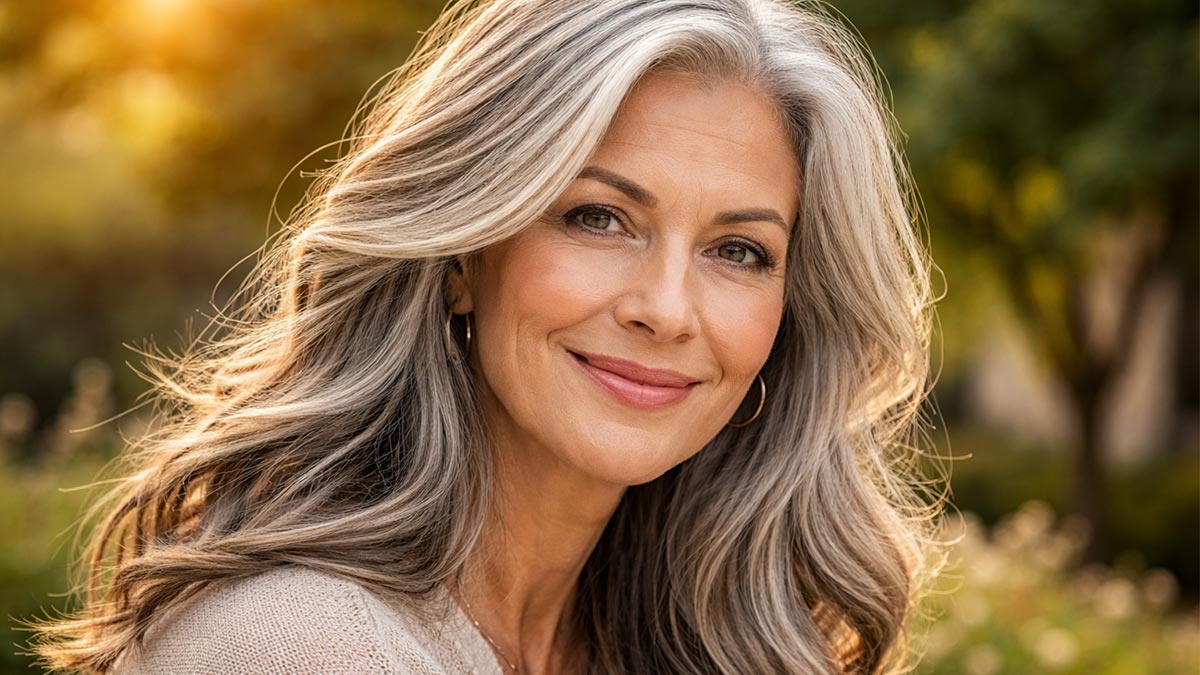
As more people embrace aging with confidence, grey hair is no longer something to hide—it has become a style statement. In 2026, one of the most talked-about techniques for enhancing natural grey hair is lowlighting balayage. This method offers a refined, modern way to add depth and dimension without covering up the natural silver tones.
For individuals over 50, this approach provides a balance between embracing natural beauty and maintaining a polished, youthful appearance.
Understanding Lowlights and Balayage
Lowlights involve adding slightly darker tones to selected sections of the hair to create contrast and depth. Unlike traditional highlights, which lighten strands, lowlights work by introducing subtle darker shades that blend seamlessly with grey or white hair.
Balayage refers to a freehand coloring technique where color is painted onto the hair rather than applied with foils. This allows for a more natural transition between shades, resulting in a softer and more blended finish.
When combined, lowlighting balayage creates a multidimensional effect that enhances grey hair rather than masking it.
Why This Technique Works So Well for Grey Hair
Grey or white hair can sometimes appear flat or lack dimension. Lowlights address this by introducing depth, making the overall look richer and more dynamic.
Instead of creating harsh contrasts, the technique softens the transition between tones. This results in a more natural and flattering appearance, especially for those with salt-and-pepper hair.
It can also subtly frame the face, adding warmth and structure that contributes to a more refreshed and youthful look.
Choosing the Right Shade for Your Hair
Selecting the right lowlight color is essential for achieving a balanced and natural result.
For those with a mix of grey and darker strands, neutral or ash brown tones tend to work best. These shades blend smoothly without creating strong contrasts.
If the hair is predominantly white or silver, warmer tones such as golden brown or caramel can add softness and dimension while maintaining a natural finish.
A professional colorist can assess your skin tone and hair texture to recommend the most suitable shade.
What to Expect During a Lowlights Appointment
A typical lowlighting balayage session begins with a consultation. The stylist evaluates your hair’s current color, texture, and overall condition before deciding on placement and tone.
Using a freehand technique, the color is applied strategically to areas that need depth. This customized approach ensures that the final result looks natural rather than overly processed.
Depending on hair length and thickness, the process can take anywhere from 45 minutes to two hours. Once complete, the hair is rinsed and conditioned, revealing a soft, blended finish.
Maintaining Lowlights for Long-Lasting Results
To keep the color looking fresh, proper care is essential. Using shampoos and conditioners designed for color-treated hair helps maintain vibrancy and prevents fading.
Limiting exposure to strong sunlight can also protect the color, as UV rays can dull the tones over time.
Regular touch-up appointments every six to eight weeks help maintain the balance between natural grey and added lowlights.
Lowlights vs Highlights: Which Is Better
Highlights are often used to brighten hair by adding lighter strands. While effective, they can sometimes create a more noticeable contrast, especially on grey hair.
- → Nationwide Listeria Recall in France: What You Need to Know About Contaminated Pâtés and Cold Meats in 2026
- → The Unexpected Household Hack That Keeps Wet Floors and Entryways Clean in 2026
- → The Hair Transformation Women Over 50 Are Talking About in 2026: What Really Works for Thinning Hair
- → Marseille’s Mistral District in Crisis: Arrests, Secrets, and a Growing Mystery in 2026
- → Massive 35-Meter Waves in the Pacific: What Scientists Are Discovering in 2026
- → Why You’re Receiving More Spam Calls in 2026: The Hidden Reasons and How to Stop Them
- → The Express Chignon: A Quick and Elegant Hairstyle for Busy Women in 2026
Lowlights, on the other hand, offer a subtler effect. They enhance the natural tones rather than competing with them, making them ideal for those who want a sophisticated and understated look.
The choice ultimately depends on personal style. Those seeking a bold transformation may prefer highlights, while those aiming for elegance and natural depth often choose lowlights.
The Rise of the “Silver Hair Movement”
In recent years, there has been a noticeable shift in how grey hair is perceived. Rather than being associated with aging alone, it is now seen as a symbol of confidence and individuality.
This cultural change has encouraged more people to embrace their natural hair color. Techniques like lowlighting balayage support this movement by enhancing grey hair instead of concealing it.
The result is a more authentic and empowering approach to beauty, where natural features are celebrated rather than altered.
Conclusion
Grey hair after 50 no longer needs to be seen as a challenge—it can be a defining feature of personal style. Lowlights balayage offers a modern solution for adding depth, softness, and elegance while preserving the natural beauty of silver strands.
By choosing the right tones, maintaining proper care, and working with a skilled stylist, individuals can achieve a look that feels both sophisticated and effortlessly natural.
As trends continue to evolve in 2026, one thing is clear: embracing grey hair with confidence is no longer just an option—it is becoming the new standard.
FAQs
What is lowlighting balayage
It is a hair coloring technique that uses darker tones applied freehand to create depth and dimension in the hair.
Is it suitable for all hair types
Yes, it can be adapted for both thick and thin hair, as well as short and long styles.
How often should I refresh the color
Most people benefit from touch-ups every six to eight weeks to maintain the desired look.
Does it damage hair
When done professionally and maintained properly, it is generally safe and less harsh than some traditional coloring methods.
Can I combine lowlights with highlights
Yes, combining both techniques can create a more dynamic and customized appearance.


Leave a comment