


When Two Ingredients Start a War in Your Living Room
Picture a casual house party — the kind where someone always disappears into the kitchen and returns with a dramatic announcement. Usually, it ends with store-bought crackers rearranged on a nicer plate. But occasionally, something genuinely unexpected lands on the coffee table.
That’s exactly what happened when a tray of small, golden-brown bites appeared at one such gathering. The host set them down and offered just four words: “Two ingredients. That’s it.”
The first few guests reached in. They bit down. And then the argument started.
“This is absolutely brilliant,” someone declared. “This is a culinary crime,” muttered someone else. Within minutes, a debate that belongs on the internet had erupted in an actual living room.
So What Exactly Are Two-Ingredient Cheese Soufflé Bites?
Imagine a bite-sized snack that is crisp on the outside, airy and slightly hollow on the inside, carrying a rich, salty, deeply satisfying cheese flavour that hits the brain’s reward centre immediately. Now imagine achieving all of that with precisely two ingredients, no complicated technique, and zero soufflé-related anxiety.
These bites are essentially the laziest possible form of elevated snacking. Small rounds or mounds of mixture, stirred together in minutes and baked quickly, they look vaguely like miniature gougères but behave more like a hybrid between a cheese cracker and an actual soufflé.
And that contradiction is exactly what has sent the internet into a frenzy — because they appear to violate everything we’ve been taught about refined cooking.
How a Simple Snack Became a Viral Battleground
The trend originated, as so many food moments do, on TikTok, before migrating to food blogs that typically weigh three varieties of flour before describing anything as “simple.” A creator posted a short clip: grated cheese combined with a seemingly unremarkable second ingredient, shaped and baked, producing these small golden rounds.
The video exploded. Hundreds of thousands of likes. Tens of thousands of comments ranging from “the greatest thing that has ever happened to me alongside a glass of wine” to “every French chef is quietly weeping into their apron right now.” Entire discussion threads emerged almost immediately. Is this an admirably simplified cooking technique, or a direct insult to every legitimate soufflé ever baked?
While half the audience was saving screenshots, the other half was already building their counter-argument.
The Real Debate Isn’t About Cheese
If you look closely, this controversy isn’t truly about a snack. It’s about something more fundamental: what is cooking actually allowed to be in the modern era?
Can you legitimately call something a soufflé when no egg whites have been whipped, no ramekin has been buttered, and no oven temperature has been agonised over? There’s a universal experience hiding in that question — the moment when you genuinely want to impress people but have quietly lost all appetite for the pursuit of perfection. These bites speak directly to that moment. They’re an honest reflection of how most of us actually live: short on time, low on patience, but still unwilling to settle for something that tastes like a frozen ready meal.
The uncomfortable truth that nobody wants to say aloud: most of us want the applause that comes with ambitious cooking, without surrendering an entire Saturday to achieve it.
The Science Behind Why They Actually Work
The Two-Ingredient Formula
The foundational principle is almost audaciously simple. You need only grated cheese and a binding agent — in the majority of viral recipes, this means cornstarch or a neutral starch flour. Nothing else.
The logic is straightforward: the cheese contributes fat, salt, and flavour. The starch holds everything together, puffs slightly during baking, and creates that near-soufflé lightness that makes these bites so unexpectedly satisfying. The mixture gets shaped into small mounds or balls, placed on a baking tray, and roasted at high heat until golden.
The result tastes like something that required hours of preparation. The reality is roughly ten minutes of hands-on effort.
How Most People Make Them
The approach that most viral creators follow runs roughly like this: combine grated cheese — frequently Gouda, Cheddar, or Emmental — with starch until every strand is evenly coated. The mixture will look crumbly and unpromising at first, almost discouraging in its plainness.
With slightly damp hands, shape the mixture into small balls or mounds, roughly walnut-sized. Space them on a lined baking sheet — they expand slightly during cooking. Bake at around 200°C for ten to fifteen minutes, depending on your oven. When they begin to smell irresistible and develop lightly browned edges, they’re ready.
Too simple to deserve the word “soufflé”? That’s precisely where the debate ignites.
Common Mistakes That Ruin the Results
Getting the Ratio Wrong
The most frequent error happens when cooks assume the proportions don’t matter much. Too much cheese relative to starch, and the result is a greasy puddle on your baking sheet rather than a structured bite. Cheese that is too moist — young mozzarella being the classic culprit — prevents the mixture from holding its shape at all.
Over-Baking in the Name of Crunch
Another widespread mistake: leaving them in the oven too long in pursuit of extra crispness. The result is something closer to a dense cheese biscuit — all the moisture and airiness baked out, leaving behind what can only be described as cheese projectiles. Everyone knows the trap: you peer through the oven door, decide one more minute won’t hurt, and five minutes later your soufflé bites have become something else entirely.
Be patient with yourself if the first batch doesn’t photograph as beautifully as the TikTok version. Nobody nailed these perfectly on their first attempt.
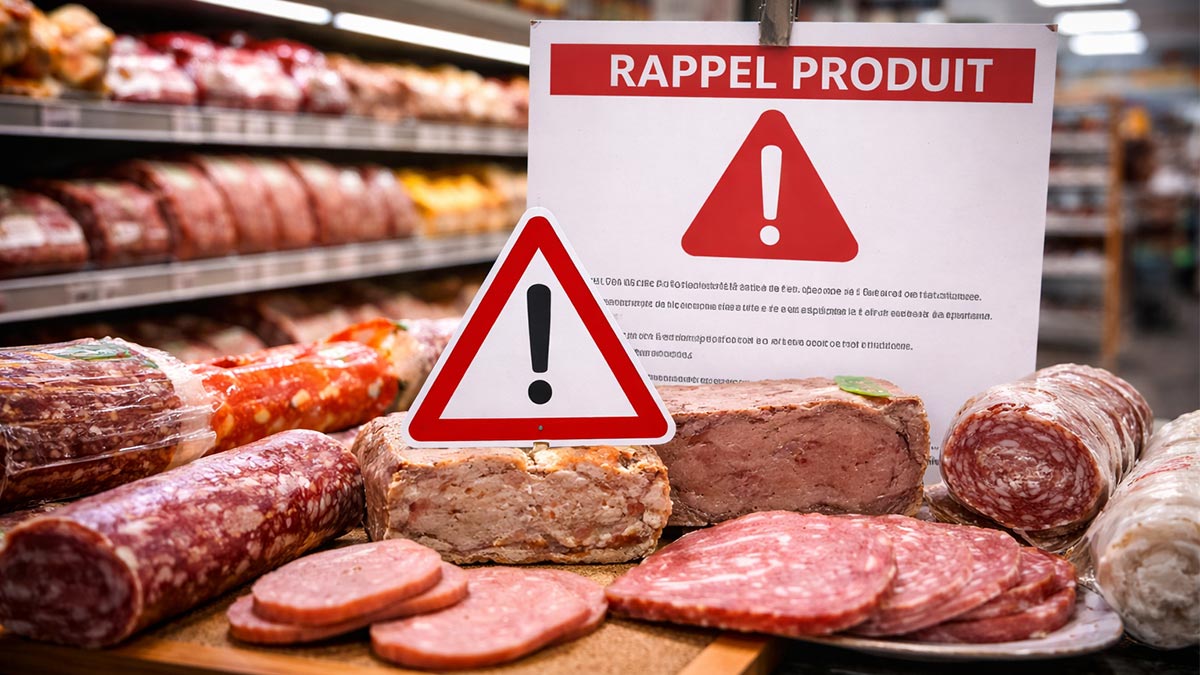
- → Nationwide Listeria Recall in France: What You Need to Know About Contaminated Pâtés and Cold Meats in 2026
- → The Unexpected Household Hack That Keeps Wet Floors and Entryways Clean in 2026
- → The Hair Transformation Women Over 50 Are Talking About in 2026: What Really Works for Thinning Hair
- → Marseille’s Mistral District in Crisis: Arrests, Secrets, and a Growing Mystery in 2026
- → Massive 35-Meter Waves in the Pacific: What Scientists Are Discovering in 2026
- → Why You’re Receiving More Spam Calls in 2026: The Hidden Reasons and How to Stop Them
- → The Express Chignon: A Quick and Elegant Hairstyle for Busy Women in 2026
What the Critics and the Converts Are Actually Saying
When professionally-minded cooks weigh in on this trend, the language gets pointed. “This has nothing to do with a real soufflé.” “It’s fast food in a French costume.” And technically, they’re not wrong.
A traditional soufflé is built on the architecture of whipped egg whites, precisely controlled heat, and carefully managed rise. These bites disregard all of that entirely. They are more accurately described as street food wearing French vocabulary.
But the counter-argument has its own momentum. As one commenter put it plainly: “We need to accept that not every party snack is trying to be a culinary manifesto. Sometimes people just want something salty and fatty that goes with white wine.”
The Honest Summary: Genius or Crime?
Between the noise of competing opinions, a few consistent points of agreement emerge across the debate:
These bites are genuinely practical for anyone with limited time who still wants to serve something that feels special. They can be assembled from pantry staples without planning ahead. From a nutritional standpoint, they are unapologetically cheese-heavy. For culinary purists, they represent a disregard for classical technique. For pragmatists, they represent the perfect balance between everyday reality and something that actually impresses people.
Conclusion
When the comment sections eventually quiet down, what these two-ingredient cheese soufflé bites leave behind is more interesting than the recipe itself. They function as a mirror, reflecting the genuine tension most of us feel between culinary ambition and real-life practicality — between the cooking we admire and the cooking we actually do on a Tuesday evening before guests arrive.
Neither side of the debate is entirely wrong. Classical technique exists for good reason, and the word “soufflé” carries real meaning in the culinary world. But food that makes people reach for a second piece, sparks an animated conversation, and requires ten minutes of preparation is doing something right — even if it’s doing it on its own terms.
At your next drinks evening, the choice is yours: traditional canapés crafted with precision, or these quietly rebellious little rounds that will have half your guests asking for the recipe and the other half questioning your culinary integrity. Either way, the table won’t be boring.
Frequently Asked Questions
Which type of cheese works best for these bites? Semi-firm to firm varieties perform most reliably — Gouda, Emmental, Cheddar, and aged mountain cheeses all work well. They melt evenly, don’t release excessive moisture, and deliver strong flavour.
Can these be prepared in advance? Yes. Shape the mixture into balls, arrange them on a tray, and freeze briefly until firm. Transfer to a freezer bag and store until needed. Bake directly from frozen, adding a few extra minutes to the cooking time until golden.
Are these bites gluten-free? When made with pure cornstarch or potato starch, they are generally gluten-free. Always check the label on pre-mixed starches or sauce thickeners to be certain.
How do I prevent them from turning greasy? Use a cheese that isn’t excessively high in fat, grate it finely, and maintain approximately a two-to-one ratio of cheese to starch by volume. Lining the baking sheet with parchment helps absorb any excess fat.
Do they only pair well with wine? Not at all. They work alongside white wine, sparkling wine, beer, and non-alcoholic drinks equally well. Many find them particularly good with fizzy beverages, where the carbonation cuts through the richness of the cheese.



Leave a comment