

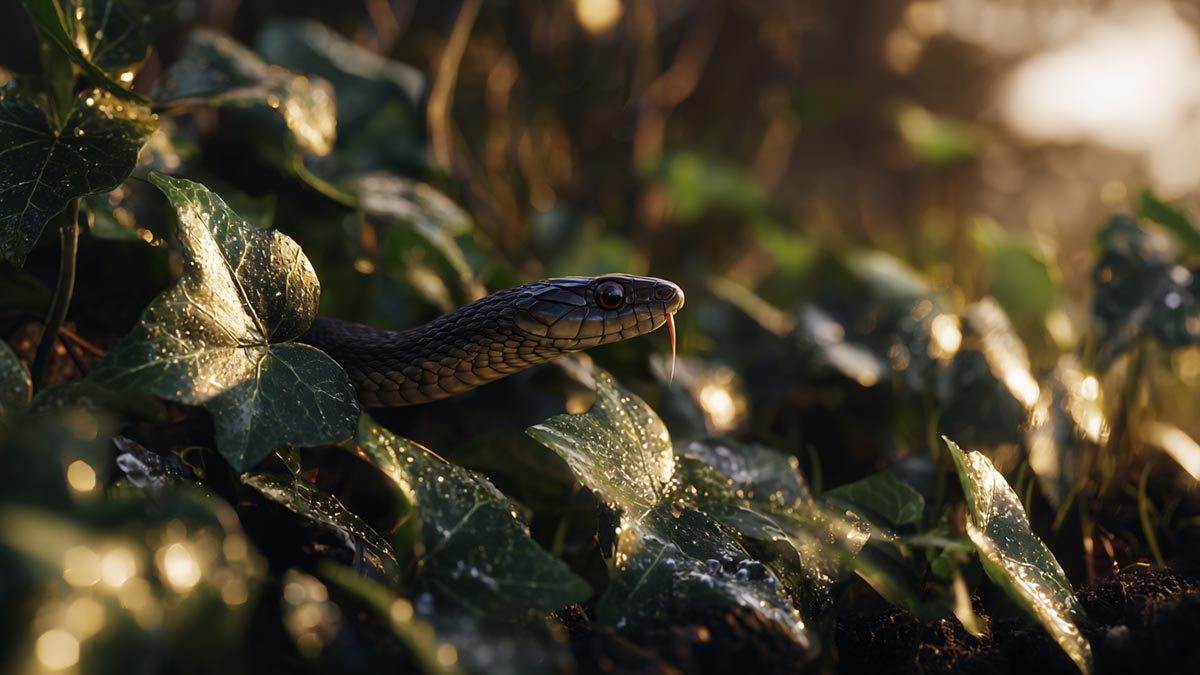
Most gardeners focus on beauty and ease of care when selecting plants, but few stop to consider which varieties might silently attract unwanted wildlife. A cautionary experience shared by gardener Sarah Martinez serves as a powerful reminder: one seemingly harmless plant choice can turn your tranquil backyard into a thriving snake habitat.
How One Innocent Ground Cover Became a Snake Magnet
Sarah believed she was simply adding an attractive, low-maintenance ground cover to fill bare patches in her garden. What she didn’t realize was that her chosen plant was actively drawing snakes onto her property, effectively converting her outdoor space into a wildlife corridor.
Her experience underscores an important truth — the plants we cultivate carry consequences well beyond their appearance.
The Primary Culprit: English Ivy (Hedera helix)
The plant at the center of Sarah’s problem was English ivy, a fast-spreading, evergreen ground cover that many homeowners find appealing for its lush, carpet-like appearance. However, beneath its attractive surface lies a significant hazard.
English ivy’s thick, layered growth forms an intricate network of stems and leaves that serves two key functions for snakes: it provides excellent cover and acts as a natural travel corridor. Since snakes primarily hunt rodents, they are instinctively drawn to areas that offer both dense shelter and a consistent food supply — and English ivy delivers both.
Other Problematic Ground Covers to Watch Out For
English ivy isn’t the only offender. Two other widely used ground covers share similar risks:
- Vinca (Vinca minor): Its mat-forming growth creates ideal hiding conditions for snakes.
- Pachysandra (Pachysandra terminalis): This low-growing plant attracts small mammals, which in turn draw snakes looking for prey.
Together, these three plants essentially build a natural highway that allows snakes to travel freely through your garden while staying concealed.
The Rodent Connection: Why Snakes Follow Food
Understanding why snakes appear in certain gardens starts with understanding their diet. Snakes are opportunistic hunters that track their prey — primarily rodents — to identify productive hunting grounds.
Dense ground covers like English ivy, vinca, and pachysandra are magnets for small mammals because they offer nesting spaces, abundant insect life, and seed sources. As the rodent population in a garden rises, so does its attractiveness to snakes. These reptiles are highly sensitive to detecting nearby prey, and they waste no time exploiting environments that combine food availability with ample cover.
Making matters more complex, many snake species are skilled climbers. Even if your lawn is open and well-kept, snakes can use dense ground cover patches as launching points to navigate your entire garden.
- → Nationwide Listeria Recall in France: What You Need to Know About Contaminated Pâtés and Cold Meats in 2026
- → The Unexpected Household Hack That Keeps Wet Floors and Entryways Clean in 2026
- → The Hair Transformation Women Over 50 Are Talking About in 2026: What Really Works for Thinning Hair
- → Marseille’s Mistral District in Crisis: Arrests, Secrets, and a Growing Mystery in 2026
- → Massive 35-Meter Waves in the Pacific: What Scientists Are Discovering in 2026
- → Why You’re Receiving More Spam Calls in 2026: The Hidden Reasons and How to Stop Them
- → The Express Chignon: A Quick and Elegant Hairstyle for Busy Women in 2026
Warning Signs That Snakes Have Taken Over Your Garden
Early detection is essential. Be on the lookout for these indicators that snakes may have established a presence in your yard:
- Frequent snake sightings, particularly around ground cover areas
- Shed snake skins or visible scales left behind in vegetation
- Unexplained disappearances of small animals including rodents, frogs, birds, or pet lizards
- Unusual pet behavior, such as persistent barking, whining, or deliberate avoidance of specific garden zones
Spotting any of these signs warrants prompt action before the situation escalates.
How to Safely Remove Snake-Attracting Plants
Eliminating the root cause — problematic vegetation — is the most effective first step. However, the removal process requires careful preparation.
Before you start, dress in protective gear: long trousers, sturdy boots, and thick gardening gloves. Thoroughly examine the ground cover area for any signs of snake activity. If you spot a snake, do not attempt to remove the plants yourself. Contact a licensed wildlife removal professional immediately.
Once the area is confirmed safe, proceed to clear the vegetation. Dispose of the removed plant material responsibly — bag it for municipal waste or burn it where legally permitted. Avoid adding it to your compost heap, as decomposing organic matter can create new nesting opportunities for snakes and other unwanted wildlife.
Snake-Resistant Planting: Safer Alternatives for Your Garden
After clearing out the problematic plants, replace them with ground covers that are naturally less inviting to snakes. Ideal candidates include plants that prefer drier, sunnier conditions and grow in a less dense manner:
| Removed Plant | Safer Replacements |
|---|---|
| English Ivy (Hedera helix) | Sedum, Creeping Thyme, Clover |
| Vinca (Vinca minor) | Lavender, Thyme, Yarrow |
| Pachysandra (Pachysandra terminalis) | Creeping Juniper, Bearberry, Moss |
Beyond plant selection, consider broader landscaping changes. Keep your lawn neatly trimmed, eliminate piles of wood or rocks that offer shelter, and maintain open, well-lit spaces throughout the garden. Reducing hiding spots and food access makes your yard significantly less hospitable to snakes.
Expert Perspectives on Snake-Attracting Plants
Horticulture specialists, wildlife biologists, and landscape designers are unified on this issue. Ground covers with dense, tangled growth provide snakes with both concealment and a hunting platform. Removing these plants and replacing them with more open, manageable alternatives directly reduces snake activity. Homeowners who monitor their gardens proactively and make deliberate planting decisions are far better positioned to maintain a safe outdoor environment.
Long-Term Strategies for Keeping Your Garden Snake-Free
Eliminating snake-friendly plants is a strong start, but sustained effort is necessary to maintain results. Establish a routine of checking your garden for shed skins, unusual animal behavior, or signs of rodent activity. Remove any newly established dense vegetation before it becomes entrenched.
Physical deterrents can also reinforce your efforts — consider installing snake-proof fencing or specialized landscaping edging around vulnerable areas. When these structural measures are combined with thoughtful planting choices, your chances of maintaining a snake-free garden improve significantly.
Conclusion
Your garden plant choices carry more weight than most people realize. As Sarah Martinez discovered, introducing a single fast-growing ground cover like English ivy can set off a chain reaction — attracting rodents, which draw snakes, which ultimately compromise the safety and enjoyment of your entire outdoor space.
The solution is both straightforward and manageable: remove dense, snake-friendly vegetation, replace it with open-growing alternatives, and maintain consistent garden hygiene. Snakes play a valuable role in nature’s ecosystem, but that doesn’t mean they belong in your backyard. By making informed planting decisions and staying proactive, you can enjoy a beautiful, thriving garden that remains a peaceful retreat — free from unwanted reptilian visitors.
Frequently Asked Questions
Which ground covers are most likely to attract snakes? English ivy, vinca, and pachysandra are the most commonly cited snake-attracting plants. Their dense, layered growth provides cover for both rodents and the snakes that hunt them.
How can I tell if snakes are moving through my garden? Key signs include frequent snake sightings, discarded shed skins, unexplained disappearances of small animals, and unusual behavior from pets like excessive barking or avoidance of certain areas.
What is the safest way to remove snake-attracting plants? Wear full protective clothing and inspect the area first. If any snakes are present, call a professional wildlife removal service. Once the area is clear, dispose of the removed plants by bagging or burning — never compost them.
What are the best ground cover alternatives that won’t attract snakes? Opt for sedum, creeping thyme, clover, lavender, yarrow, creeping juniper, bearberry, or moss. These are less dense and don’t provide the shelter that snakes seek.
How do I keep my garden snake-free over time? Conduct regular garden inspections, promptly remove any new dense vegetation, and consider installing snake-proof fencing or edging for added protection.
Are snakes always harmful to have in the garden? Not necessarily — snakes naturally regulate rodent populations, making them beneficial from an ecological standpoint. However, when they encroach on living spaces, management measures become appropriate.
Can snakes climb fences or trees to enter my yard? Yes, many species are capable climbers. Smooth vertical surfaces and specialized snake-proof fencing can help discourage entry.
What should I do if I encounter a snake in my garden? Stay calm, back away slowly, and avoid any attempt to handle or relocate the snake yourself. Contact a professional wildlife removal service or your local animal control authority for safe assistance.




Leave a comment