

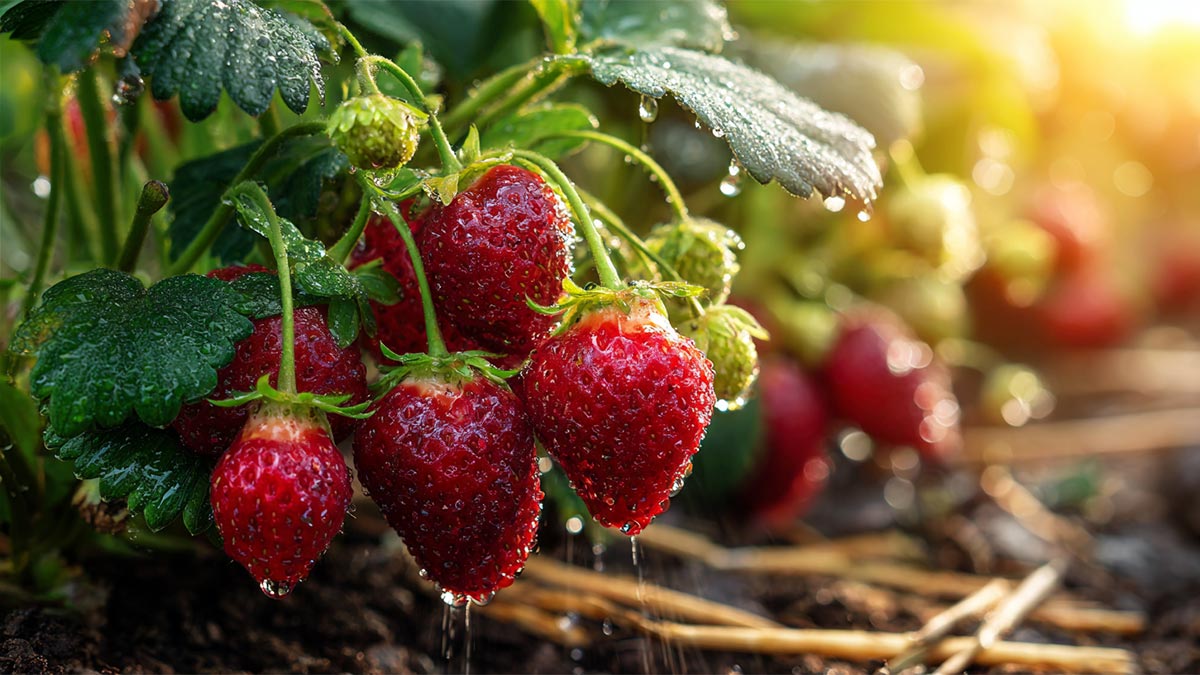
Most garden plants offer a fleeting harvest — a burst of abundance followed by a long, quiet wait. But one particular type of strawberry breaks that pattern entirely, delivering fresh fruit week after week from the first warmth of spring right through to the cool days of early autumn. For a growing number of dedicated home gardeners, this single variety has replaced everything else in their strawberry patch — and they haven’t looked back.
The Strawberry That Changed Everything: Meet the Remontant
The plant at the center of this quiet gardening revolution is the remontant strawberry — also known as the everbearing strawberry. Unlike conventional varieties that exhaust themselves in one concentrated flush of fruit, remontant strawberries are genetically wired to flower and produce repeatedly across the entire growing season.
For Sarah, an enthusiastic urban gardener based in the Pacific Northwest, switching to a single remontant variety transformed her entire approach to growing strawberries. Where she once juggled a chaotic mix of plants with different harvest windows and care requirements, she now tends one reliable variety that delivers a consistent, steady supply of berries from spring through to autumn.
Why One Gardener Ditched Variety Mixes for a Single Cultivar
Sarah’s shift to remontant strawberries wasn’t impulsive — it came after years of frustration managing multiple strawberry types simultaneously.
“It was a constant struggle to keep up with the varying harvest times and maintenance requirements,” she recalls. Once she made the switch, the difference was immediate. A single variety meant predictable care routines, consistent cropping, and no more feast-or-famine cycles between harvests.
The lesson is straightforward: sometimes focusing on less gives you more.
What Makes Remontant Strawberries Fundamentally Different?
The Science Behind Continuous Fruiting
The contrast between remontant and traditional June-bearing strawberries comes down to genetics. June-bearing plants are programmed at a biological level to produce one large crop in early summer and then shut down for the season. Remontant varieties, through selective breeding, have had this limitation removed — they carry what horticulture specialist Dr. Emily Gatch describes as a built-in “reset” mechanism that continuously triggers new flowering cycles.
This means that rather than managing one intense harvest period, gardeners with remontant plants enjoy a rolling, ongoing supply of berries across several months.
No More Feast-or-Famine Harvesting
The extended production window is arguably the remontant strawberry’s most appealing quality. Instead of processing a glut of fruit in a short window — or worse, watching it go to waste — growers can pick manageable quantities on a regular basis throughout the season.
Planting Timing: Why Mid-March Gives You the Biggest Advantage
Getting the timing right is one of the most important decisions when growing remontant strawberries. The recommended window is around mid-March, which gives plants ample time to establish a strong root system before summer arrives.
Planting too late compresses the growing window and limits how long the plants can sustain their fruiting cycle. In warmer climates, it may be possible to put plants in the ground a little earlier; in colder regions, it’s wise to wait until the last frost has clearly passed before planting.
The general rule: the earlier you can plant safely, the longer and more productive your harvest will be.
Soil Preparation: The Step That Separates Thriving Plants from Struggling Ones
Feed the Soil First
Remontant strawberries are high-demand plants in terms of nutrition, and that appetite needs to be addressed before a single plant goes into the ground. Incorporating generous amounts of organic matter — well-rotted garden compost or aged animal manure work equally well — into the planting bed before you begin is essential.
- → Nationwide Listeria Recall in France: What You Need to Know About Contaminated Pâtés and Cold Meats in 2026
- → The Unexpected Household Hack That Keeps Wet Floors and Entryways Clean in 2026
- → The Hair Transformation Women Over 50 Are Talking About in 2026: What Really Works for Thinning Hair
- → Marseille’s Mistral District in Crisis: Arrests, Secrets, and a Growing Mystery in 2026
- → Massive 35-Meter Waves in the Pacific: What Scientists Are Discovering in 2026
- → Why You’re Receiving More Spam Calls in 2026: The Hidden Reasons and How to Stop Them
- → The Express Chignon: A Quick and Elegant Hairstyle for Busy Women in 2026
Organic matter serves a dual purpose: it releases nutrients steadily as the season progresses, and it improves the soil’s physical structure, promoting better drainage and aeration. Plants established in properly amended soil establish faster, grow more vigorously, and sustain their production for far longer than those planted in depleted or compacted ground.
Planting Techniques That Maximise Long-Term Productivity
Spacing for Success
Crowding is one of the most common mistakes made with strawberry beds. Remontant varieties need room to develop fully — 18 to 24 inches between individual plants, with rows kept 2 to 3 feet apart. This spacing promotes healthy air circulation, reduces competition for water and nutrients, and makes harvesting significantly easier as the season progresses.
The Importance of Mulching
A layer of organic mulch — straw or wood chips, applied 2 to 3 inches deep — around each plant delivers multiple benefits simultaneously. It conserves soil moisture between waterings, suppresses weed growth, protects shallow root systems from temperature swings, and helps maintain consistent soil pH levels. It’s a small effort that pays dividends across the entire growing season.
Ongoing Care: Keeping the Harvest Rolling All Season
Watering Consistently
Remontant strawberries need reliable moisture, particularly during dry or hot spells. The goal is soil that stays evenly moist without becoming waterlogged — irregular watering leads to inconsistent fruiting and can stress the plants.
Fertilising for Sustained Output
Because these plants are producing continuously rather than in a single burst, their nutritional demands are ongoing. Applying a balanced, slow-release fertiliser every few months gives the plants the energy reserves they need to keep flowering and setting fruit right through to autumn.
Pruning and Deadheading
Removing spent flowers and older foliage throughout the season directs the plant’s energy toward new growth and developing fruit rather than sustaining material that’s no longer productive. It’s a simple maintenance habit that noticeably improves overall yield and plant vigour.
Pests and Diseases: What to Watch Out For
Remontant strawberries are generally robust, but they’re not entirely without vulnerabilities. The most common threats include:
- Powdery mildew — a fungal issue encouraged by poor air circulation
- Aphids — small sap-sucking insects that can colonise new growth
- Spider mites — particularly problematic during hot, dry periods
Choosing disease-resistant cultivars at the outset, combined with organic pest management and prompt attention to any early signs of trouble, keeps most problems from escalating. The key, as Dr. Gatch notes, is staying observant and acting quickly rather than waiting for a problem to worsen.
How Remontant Strawberries Fit Every Type of Garden
One of the most appealing qualities of this variety is its adaptability. Remontant strawberries perform well in:
- Traditional garden beds — where they can spread and establish over multiple seasons
- Raised beds — offering excellent drainage and easier management
- Containers and planters — ideal for balconies, patios, and compact urban spaces
- Hanging baskets — where trailing growth and continuous flowering also serve a decorative purpose
For gardeners with limited outdoor space, the remontant strawberry’s compact growth habit and long production window make it especially valuable. You can fit a meaningful number of plants into a small area and still harvest generously throughout the season.
Yields and Getting Started: A Simple Planting Plan
A single, well-cared-for remontant strawberry plant can produce approximately two pints of berries across the growing season. With a properly established patch of multiple plants in good soil, the cumulative harvest across spring, summer, and into autumn can be genuinely impressive.
For those new to growing this variety, starting with 6 to 12 plants is a practical foundation — enough to produce a meaningful and regular supply without requiring more space or time than a beginner can comfortably manage.
Useful Terms to Know
| Term | What It Means |
|---|---|
| Remontant | Plants that flower and fruit multiple times across a single growing season |
| June-bearing | Traditional strawberry type with one concentrated early-summer harvest |
| Everbearing | An alternative name for remontant strawberries |
| Organic matter | Decomposed plant or animal material added to soil to improve fertility and structure |
Conclusion
Remontant strawberries represent one of the most rewarding commitments you can make in a productive garden. By choosing a variety specifically bred for continuous fruiting rather than a single seasonal flush, you trade brief abundance for something far more satisfying — a steady, reliable harvest that spans months rather than weeks. With the right planting timing, well-prepared soil, consistent care, and adequate spacing, these plants reward your effort generously and repeatedly. Whether you’re working with a sprawling garden bed or a few containers on a balcony, the remontant strawberry is the one variety genuinely worth building your patch around.
Frequently Asked Questions
What is the difference between remontant and June-bearing strawberries? June-bearing varieties produce a single, large crop concentrated in early summer before stopping for the year. Remontant varieties flower and fruit repeatedly throughout the growing season, from spring right through to autumn.
How should I prepare the soil before planting? Work generous amounts of organic matter — compost or aged manure — into the planting bed beforehand. This enriches the soil with nutrients and improves its structure, drainage, and moisture retention.
When is the best time to plant remontant strawberries? Mid-March is generally the optimal window. It allows enough time for the plants to establish before summer while maximising the length of the fruiting season. Adjust slightly based on your local frost dates.
What does ongoing care involve after planting? Regular and consistent watering, fertilising every few months with a slow-release balanced feed, and routine pruning and deadheading of spent flowers and leaves are the three core maintenance tasks.
Which pests and diseases should I monitor for? Powdery mildew, aphids, and spider mites are the most common issues. Disease-resistant cultivars and organic pest control methods are effective preventive measures.
How much fruit can I expect from a single plant? A well-maintained remontant plant typically yields around two pints of berries over the course of the season. A full patch of 6 to 12 plants produces a very satisfying regular harvest.
Are remontant strawberries suitable for containers and small spaces? Absolutely. Their compact habit and continuous fruiting make them an excellent choice for raised beds, pots, planters, and even hanging baskets.
How many plants should a beginner start with? Six to twelve plants is a practical and manageable starting point that provides a solid, ongoing supply of fruit without overwhelming a first-time grower.




Leave a comment