

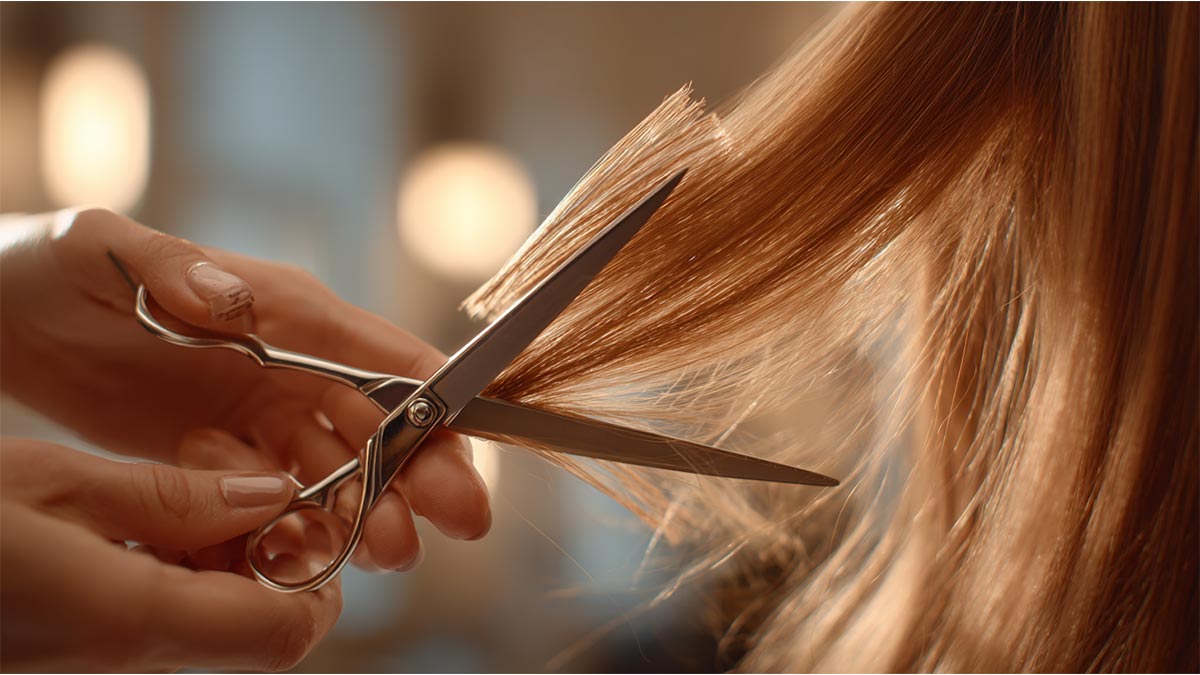
Fine, flat hair has long been one of the most common challenges in the salon chair. Products help temporarily, and styling tools offer short-term fixes — but neither addresses the actual structure of the hair. That’s precisely where internal layers come in. This quietly revolutionary cutting technique works from within the haircut itself, adding volume, bounce, and modern movement without touching overall length. For anyone who has struggled with limp, lifeless strands, it may be the most significant hair decision they ever make.
What Are Internal Layers? Understanding the Technique
A Different Approach to the Classic Cut
Most people are familiar with traditional layering — a method that removes length progressively from the ends of the hair to create graduation and movement. Internal layers take a fundamentally different approach. Rather than working from the outside in, this technique targets the interior of the haircut, making precise, strategic cuts within the body of the hair while leaving the outer silhouette largely intact.
The result is a cut that appears fuller and more dynamic from the inside out — volume and movement that feel built-in rather than styled in. The overall length is preserved, which makes this approach particularly appealing to those who want the benefits of layering without the commitment of losing inches.
How Weight Removal Creates Volume
The principle behind internal layers is straightforward: by carefully removing weight from specific internal sections of the hair, the remaining strands are freed to move more naturally. This creates the impression of greater thickness and body — not because more hair has been added, but because the hair that exists is no longer being weighed down by itself.
Why Internal Layers Are a Game-Changer for Fine Hair
The Unique Challenge of Fine Hair
Fine hair lacks the natural density to hold its shape across the day. It tends to flatten quickly, resist volume, and respond poorly to heavy cutting techniques that remove too much from the ends. Traditional layering, while effective for thicker hair types, can actually make fine hair appear even thinner by exposing the ends and reducing what little density there is.
Internal layers sidestep this problem entirely. Because the cuts are placed within the haircut rather than at its perimeter, the exterior maintains a fuller, more cohesive appearance while the interior gains the lightness and movement that fine hair needs to come alive.
Internal Layers for Women Over 50: A Particularly Powerful Solution
How Hair Changes with Age
Hair naturally becomes finer and more delicate as we get older. Strands lose density, natural volume diminishes, and the hair that once held a style with ease begins to fall flat far more quickly. For women over 50, this shift can feel difficult to manage — especially when conventional haircuts seem to make things worse rather than better.
Why This Technique Suits Mature Hair
Internal layers have become a favoured solution among mature women precisely because of how gently and effectively they address these age-related changes. By introducing strategic volume and movement without dramatically altering length or silhouette, the technique creates the impression of thicker, more youthful-looking hair. It works with the hair’s natural characteristics rather than against them — a crucial distinction for hair that needs to be handled with care.
How Internal Layers Are Created in the Salon
The Stylist’s Process
Creating internal layers is a skilled, detail-oriented process that requires a thorough understanding of hair structure and cutting geometry. It begins with a careful assessment of the client’s hair — its type, texture, density, and the outcome they’re hoping to achieve.
From there, the stylist sections the hair methodically and begins making a series of small, graduated cuts at carefully chosen points within the interior of the cut. These aren’t dramatic or sweeping reductions — they’re precise, controlled snips designed to remove just enough weight to release movement and body without disrupting the overall shape.
Balancing Weight Removal with Length Retention
The skill in internal layering lies in calibration. Too little cutting and the technique has no effect; too much and the delicate balance between volume and structure is lost. An experienced stylist knows how to read the hair and adjust the depth, angle, and placement of each cut to produce a seamless, natural result that enhances rather than overrides the hair’s own character.
Hairstyles That Work Beautifully with Internal Layers
Internal layers are not a one-style technique — they complement a broad range of cuts and work particularly well with several popular styles:
The Butterfly Cut — with its signature sweeping, feathered movement, pairs naturally with internal layers, which amplify the style’s airy, billowing quality and add dimension throughout.
The Curve Cut — defined by its softly rounded lines, benefits from the added depth and structural interest that internal layers introduce, preventing the style from looking one-dimensional.
The Halo Cut — which creates a crown of volume at the top of the head, becomes even more effective with internal layers, as the technique reinforces and sustains the fullness that defines the look.
How to Talk to Your Stylist About Internal Layers
Phrases That Help
Clear, specific communication is essential to getting this cut right. When discussing internal layers with your stylist, useful phrases include:
- “I’d like volume added from the inside”
- “Can we create soft, feathered layers within the cut?”
- “I want to keep my length but gain more movement and body”
What to Avoid Requesting
Avoid asking for “heavy” or “dramatic” layers if you have fine hair — these terms typically signal a more aggressive cut that removes more weight than fine strands can afford to lose, often producing the opposite of the desired effect.
Being upfront about your hair’s history — previous chemical treatments, breakage, thinning, or past cuts that didn’t work — also helps your stylist customise the technique to your specific needs.
Maintaining and Enhancing Internal Layers at Home
Products That Support the Cut
Once your internal layers are in place, the right products make a meaningful difference to how they perform day to day. Reach for lightweight volumising products — mousses, texturising sprays, or root-lifting mists — that support movement and body without weighing the hair down. Heavy serums or dense creams will counteract the lightness the layers create.
Blow-Drying Technique Matters
How you dry your hair is just as important as what you put in it. Using a round brush to lift the hair at the roots as you blow-dry encourages the internal layers to do their job, amplifying the natural volume and movement built into the cut. Direct airflow upward and outward at the roots, then set the style with a cool shot to lock in the lift.
Keep Up with Regular Trims
Internal layers gradually grow out and lose their definition over time. Scheduling regular maintenance appointments — roughly every 8 to 12 weeks depending on how quickly your hair grows — ensures the layers remain precise and continue to deliver the volume and movement they were designed for.
Who Should Approach Internal Layers with Caution?
While internal layers are genuinely transformative for most fine-haired individuals, they aren’t universally appropriate for every hair type.
Those with very coarse or thick hair may find that internal layers create bulk and heaviness in the wrong places, making the hair harder to manage rather than easier.
Those with extremely fine or fragile hair should discuss their concerns openly with a stylist before proceeding. In cases where the hair is already prone to breakage or thinning, the cutting process needs to be approached with particular care and minimal disruption to avoid worsening those conditions.
In both cases, an experienced stylist can assess the hair honestly and either adapt the technique or recommend a more suitable alternative.
- → Nationwide Listeria Recall in France: What You Need to Know About Contaminated Pâtés and Cold Meats in 2026
- → The Unexpected Household Hack That Keeps Wet Floors and Entryways Clean in 2026
- → The Hair Transformation Women Over 50 Are Talking About in 2026: What Really Works for Thinning Hair
- → Marseille’s Mistral District in Crisis: Arrests, Secrets, and a Growing Mystery in 2026
- → Massive 35-Meter Waves in the Pacific: What Scientists Are Discovering in 2026
- → Why You’re Receiving More Spam Calls in 2026: The Hidden Reasons and How to Stop Them
- → The Express Chignon: A Quick and Elegant Hairstyle for Busy Women in 2026
Key Terms Worth Knowing Before Your Appointment
Arriving at the salon with a working knowledge of relevant terminology helps the conversation go smoothly and ensures everyone is speaking the same language:
| Term | What It Means |
|---|---|
| Feathering | The soft, wispy texture produced at the edges of internal layers |
| Point-cutting | Cutting into the hair at an angle to create a seamless, blended finish |
| Weight distribution | How the hair’s mass is balanced across the cut to influence shape and movement |
| Density control | Managing how much hair is present in specific sections to create or reduce volume |
Conclusion
Internal layers represent a genuinely modern evolution in how fine hair is cut and styled. By directing attention — and the scissors — to the interior of the haircut rather than the ends, this technique solves the longstanding problem of flat, lifeless fine hair in a way that’s both subtle and lasting. The length stays, the silhouette remains elegant, but the hair gains a volume, movement, and vitality that no amount of product alone can replicate. Whether you’re in your thirties, fifties, or beyond, and whether your fine hair is a lifelong reality or a more recent development, internal layers offer a structural solution that works with your hair rather than simply masking its limitations. One conversation with the right stylist could genuinely change how you feel about your hair every single day.
Frequently Asked Questions
What exactly are internal layers, and how do they differ from regular layers? Internal layers are cuts made within the body of the haircut rather than at the ends. Traditional layering shortens the perimeter; internal layers remove weight from the interior, creating volume and movement while preserving overall length.
Who benefits most from this technique? It’s particularly effective for individuals with fine or flat hair, and especially beneficial for women over 50 whose hair has become thinner and less voluminous with age.
How does a stylist actually perform an internal layer cut? The stylist sections the hair carefully and makes precise, graduated cuts at strategic interior points, feathering and blending as they go to build natural-looking volume without disrupting the outer shape.
Which hairstyles pair best with internal layers? The butterfly cut, curve cut, and halo cut all complement internal layers especially well, as the technique amplifies the movement and volume that define each of these styles.
What’s the best way to describe what I want to my stylist? Ask for volume “from the inside,” soft feathered layers, or movement built into the cut. Avoid requesting heavy or dramatic layers if your hair is fine, as this can produce the wrong result.
How do I maintain internal layers between salon visits? Use lightweight volumising products, practise a root-lifting blow-dry technique with a round brush, and book regular trims every 8 to 12 weeks to keep the layers defined.
Are there hair types that shouldn’t have internal layers? Very coarse or thick hair can become bulky with this technique, and extremely fragile or thinning hair may need a gentler approach. Always consult your stylist about your specific hair condition before proceeding.
What terms should I know before discussing this cut? Feathering, point-cutting, weight distribution, and density control are the four most useful concepts to understand when talking through internal layers with your stylist.


Leave a comment