

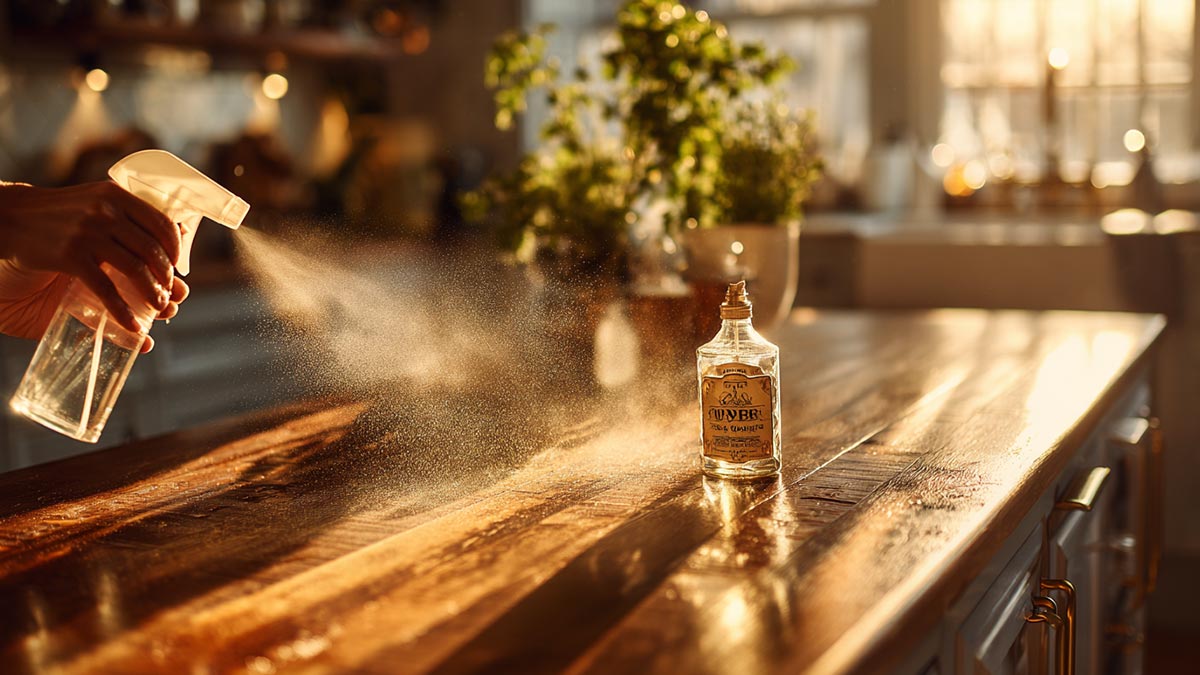
Every homeowner knows the frustration — kitchen cabinets that once gleamed now wear a stubborn coat of grease, fingerprints, and cooking residue that no amount of wiping seems to fix. Expensive store-bought cleaners promise miracles but frequently deliver disappointment. What if the most effective cabinet cleaner was already sitting in your pantry, quietly waiting to be rediscovered?
That ingredient is vinegar — one of the most underestimated cleaning agents in any household. Cheap, natural, and surprisingly powerful, vinegar can restore even the grimiest cabinets to a smooth, shiny finish with remarkably little effort. Here is everything you need to know about why it works, how to use it, and why it beats commercial cleaners hands down.
Why Vinegar Works So Well on Kitchen Cabinets
The cleaning power of vinegar is not a folk myth — it is firmly rooted in chemistry. White vinegar contains acetic acid, a naturally occurring compound that breaks down grease and sticky residue on contact. Unlike synthetic chemical cleaners that strip surfaces aggressively, acetic acid dissolves buildup gently and efficiently, without leaving behind harsh fumes or toxic film.
Beyond its degreasing ability, vinegar also functions as a natural disinfectant. It actively eliminates bacteria and inhibits mold growth on cabinet surfaces — addressing both the visual grime and the invisible hygiene concerns that accumulate in a busy kitchen environment.
What makes this even more compelling is the cost. A bottle of white vinegar costs a fraction of what most branded cabinet cleaners do, yet delivers results that are just as effective — often more so. For homeowners looking to clean smarter without spending more, it is difficult to find a better alternative.
How to Make Your Own Vinegar Cabinet Cleaner at Home
Preparing this cleaner requires no special skills and takes under two minutes. The basic formula is straightforward: combine equal parts white vinegar and water in a clean spray bottle and shake well to blend.
For those who find the natural scent of vinegar too sharp, a few drops of essential oil can be added to the mixture. Lemon, lavender, and orange are all popular choices that leave a fresh, pleasant fragrance on cabinet surfaces after cleaning. The essential oil does not affect the cleaner’s effectiveness — it simply makes the experience more enjoyable.
Once your solution is prepared, it can be stored for several months in a sealed container. Give it a shake before each use to ensure the ingredients remain properly mixed.
Step-by-Step Application for the Best Results
Using the vinegar cleaner correctly makes a noticeable difference in the outcome. Follow these steps for the most effective clean:
Step 1 — Spray generously: Apply the vinegar solution directly onto the cabinet surface, covering the entire area you intend to clean.
Step 2 — Let it sit: Allow the solution to rest on the surface for two to five minutes. This dwell time gives the acetic acid the opportunity to penetrate and loosen grease buildup before you begin scrubbing.
Step 3 — Scrub gently: Using a soft cloth or non-abrasive sponge, work the solution into the surface using circular motions. For particularly stubborn spots, apply slightly more pressure or a second spray before scrubbing.
Step 4 — Wipe clean: Remove all residue with a damp cloth, then follow up with a dry cloth to restore the cabinet’s natural sheen.
Before using this solution on your cabinets for the first time, test it on a small, hidden area to confirm it does not affect the finish — particularly on painted or delicately treated surfaces.
Which Cabinet Materials Can You Use It On?
One of vinegar’s greatest strengths as a cleaner is its versatility. It works effectively across a wide range of cabinet materials including:
Wood cabinets — vinegar lifts grease without warping or stripping the finish when properly diluted. Laminate surfaces — the solution cleans and brightens without scratching or leaving residue. Painted cabinets — safe for most painted finishes, though a patch test is always recommended first.
The same solution also extends usefully beyond cabinets. It performs well on kitchen countertops, backsplash tiles, and sink surfaces — making it a genuinely all-purpose kitchen cleaner rather than a single-use product.
How to Keep Cabinets Clean Long-Term
Consistency is the real secret to maintaining spotless cabinets. A thorough vinegar clean once a month is enough to prevent grease and grime from accumulating to problematic levels. In between those deeper sessions, a quick spray and wipe as needed — particularly around handles and high-touch areas — keeps surfaces looking consistently fresh.
- → Nationwide Listeria Recall in France: What You Need to Know About Contaminated Pâtés and Cold Meats in 2026
- → The Unexpected Household Hack That Keeps Wet Floors and Entryways Clean in 2026
- → The Hair Transformation Women Over 50 Are Talking About in 2026: What Really Works for Thinning Hair
- → Marseille’s Mistral District in Crisis: Arrests, Secrets, and a Growing Mystery in 2026
- → Massive 35-Meter Waves in the Pacific: What Scientists Are Discovering in 2026
- → Why You’re Receiving More Spam Calls in 2026: The Hidden Reasons and How to Stop Them
- → The Express Chignon: A Quick and Elegant Hairstyle for Busy Women in 2026
The acidity of vinegar is not only reactive but also preventative. Regular use creates a surface environment that is less hospitable to the kind of sticky buildup that makes cabinet cleaning such a chore in the first place. Over time, monthly cleaning sessions become faster and easier because there is simply less to remove.
The Health and Environmental Case for Switching to Vinegar
The case for vinegar goes beyond effectiveness and cost. It is also one of the most environmentally responsible cleaning choices available. As a fully biodegradable, naturally derived substance, vinegar breaks down harmlessly after use and releases no volatile organic compounds (VOCs) into your home’s air — a significant concern with many commercial cleaning sprays used in enclosed kitchen spaces.
For families with young children, elderly members, or anyone with chemical sensitivities or allergies, this matters enormously. Vinegar is non-toxic and hypoallergenic, meaning you can clean your cabinets without worrying about residue that could come into contact with food preparation surfaces or curious little hands.
Choosing vinegar over chemical cleaners is a small but meaningful step toward a healthier home environment and a lighter environmental footprint — without sacrificing any cleaning performance.
What the Experts Say
Home organization specialist Jane Doe describes vinegar as a remarkable all-purpose cleaner that belongs in every household, praising its natural acidity for cutting through cabinet grime without harsh chemicals or fumes.
Certified kitchen designer John Smith calls it a game-changer for cabinet maintenance, consistently recommending it to clients looking to revitalize their kitchens in a cost-effective, eco-conscious way.
Microbiologist Dr. Sarah Lee highlights vinegar’s antibacterial properties as particularly valuable for kitchen surfaces, noting that it sanitizes effectively while remaining gentle enough for regular use without risk of surface damage or chemical residue.
Conclusion
Vinegar is one of those rare solutions that is so simple and affordable that it is easy to overlook — yet it outperforms products that cost ten times as much. Its natural acidity cuts through grease, its antibacterial properties sanitize surfaces, and its gentle formulation makes it safe for virtually every cabinet material and every member of your household.
By incorporating a basic vinegar-and-water solution into your regular kitchen cleaning routine, you can keep cabinets looking consistently clean and shiny, reduce your household’s exposure to harsh chemical cleaners, and save money month after month. Sometimes the best cleaning secret is not a new product on a store shelf — it is something that has been in your kitchen all along.
FAQs
How frequently should I clean my cabinets with vinegar? A thorough cleaning once a month is ideal for preventing grease buildup. Quick spot cleans can be done as needed in between, especially around handles and frequently touched areas.
Is vinegar safe for all cabinet materials? It is generally safe for wood, laminate, and painted surfaces when properly diluted. However, always test on a small hidden area first — particularly with painted or specially treated finishes — to rule out any discoloration.
What is the correct ratio for the vinegar cleaning solution? Mix equal parts white vinegar and water in a spray bottle. This 1:1 ratio delivers effective cleaning power while being gentle enough for regular use on most surfaces.
Can I add essential oils to the mixture? Absolutely. A few drops of lemon, lavender, or orange essential oil can be added to mask the vinegar’s natural scent and leave a pleasant fragrance after cleaning. It does not affect the solution’s cleaning effectiveness.
Is it safe for homes with children and pets? Yes. Vinegar is non-toxic, hypoallergenic, and free from volatile organic compounds, making it one of the safest cleaning options available for households with children, pets, or individuals with chemical sensitivities.
How long does the prepared solution stay usable? When stored in a sealed spray bottle, the solution remains effective for several months. Shake the bottle well before each use to ensure the ingredients are fully combined.
Can I use this cleaner on other kitchen surfaces too? Yes. The same vinegar solution works well on countertops, backsplash tiles, and sinks. Always do a spot test on unfamiliar surfaces before applying broadly.
How does homemade vinegar cleaner compare to commercial cabinet cleaners? It matches or exceeds commercial cleaners in degreasing and disinfecting performance, while costing significantly less, releasing no harmful chemicals, and being safer for both your family and the environment.




Leave a comment